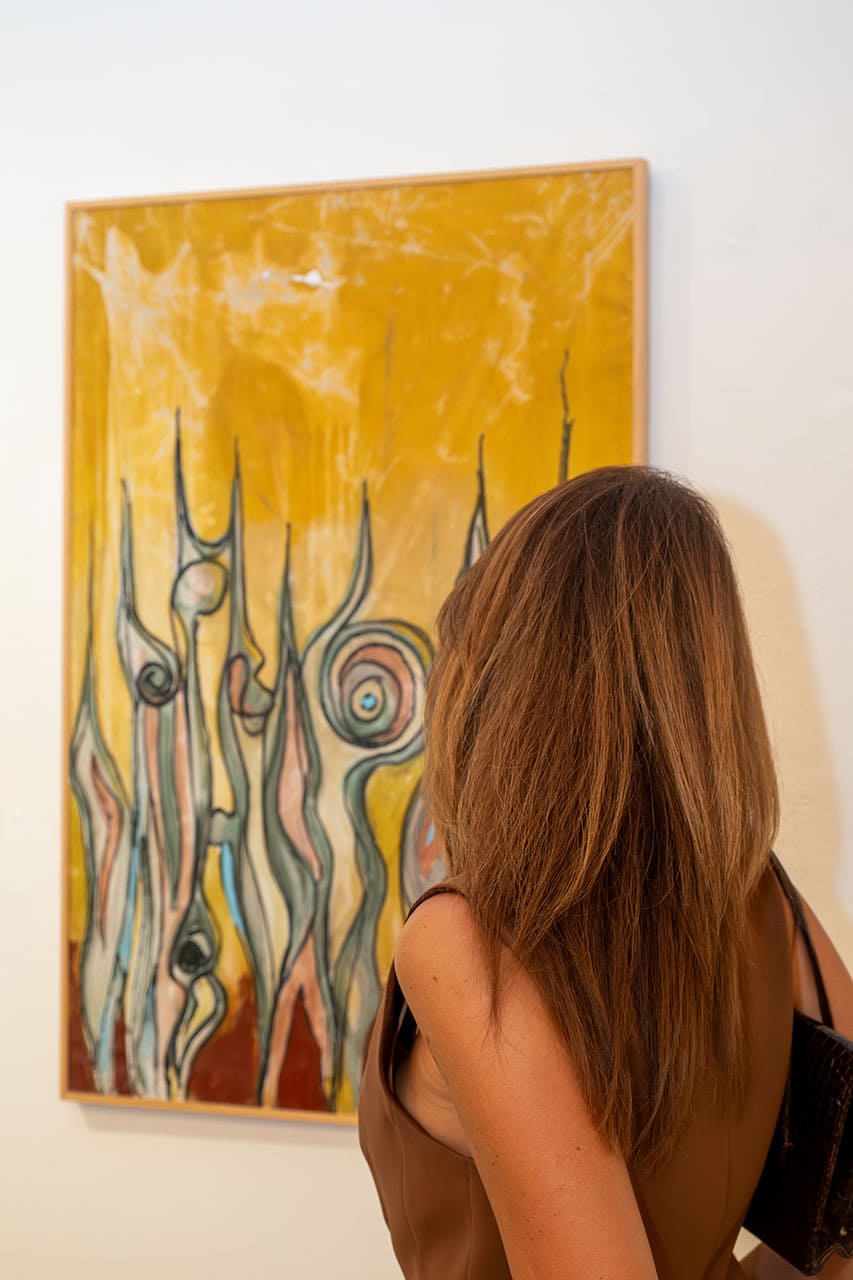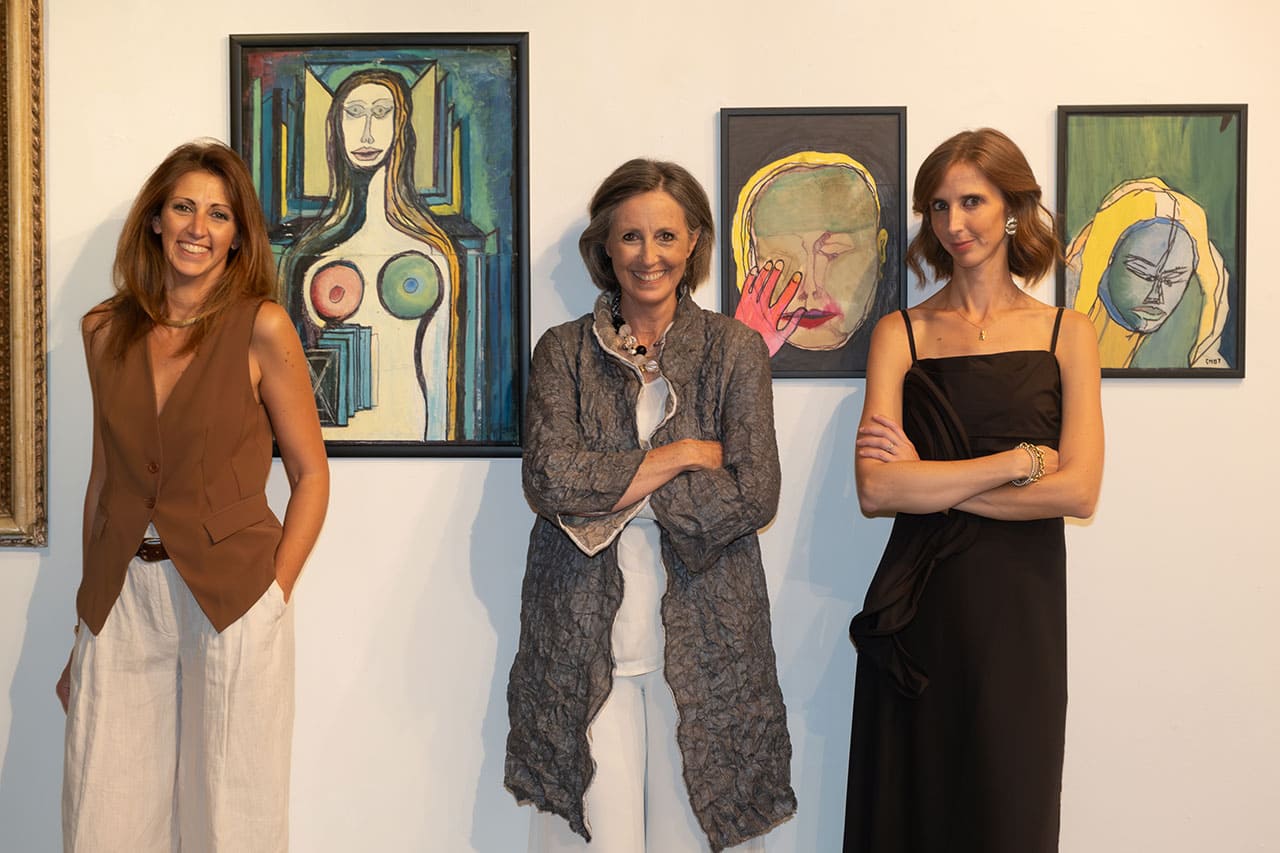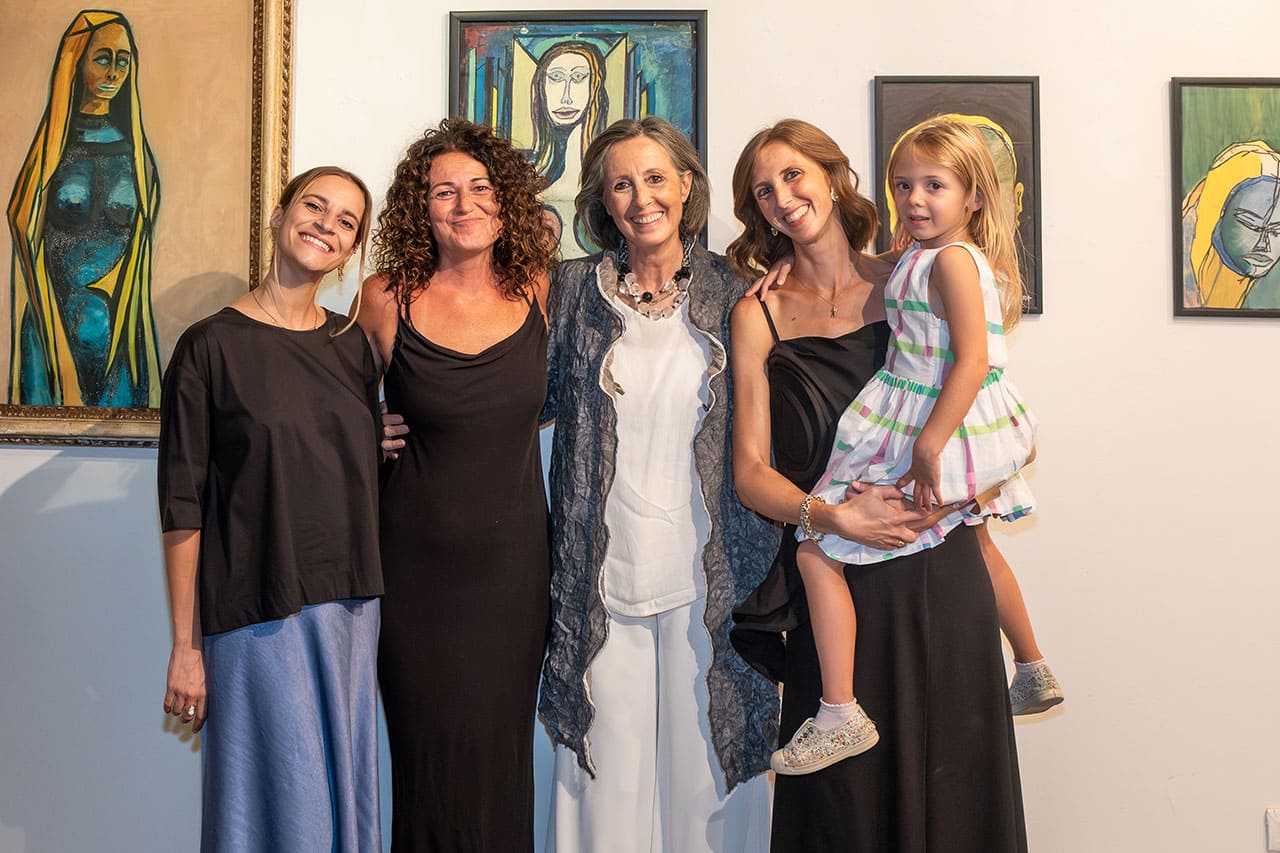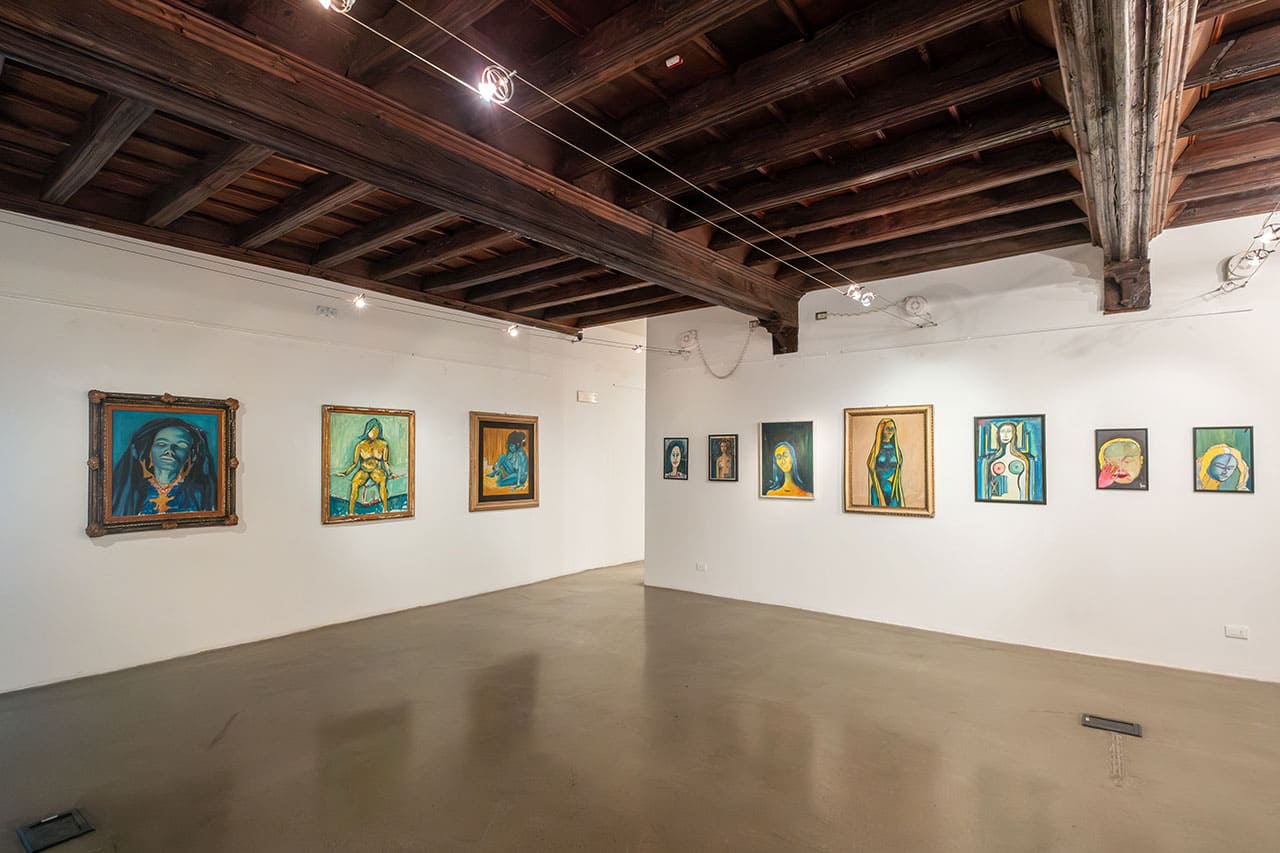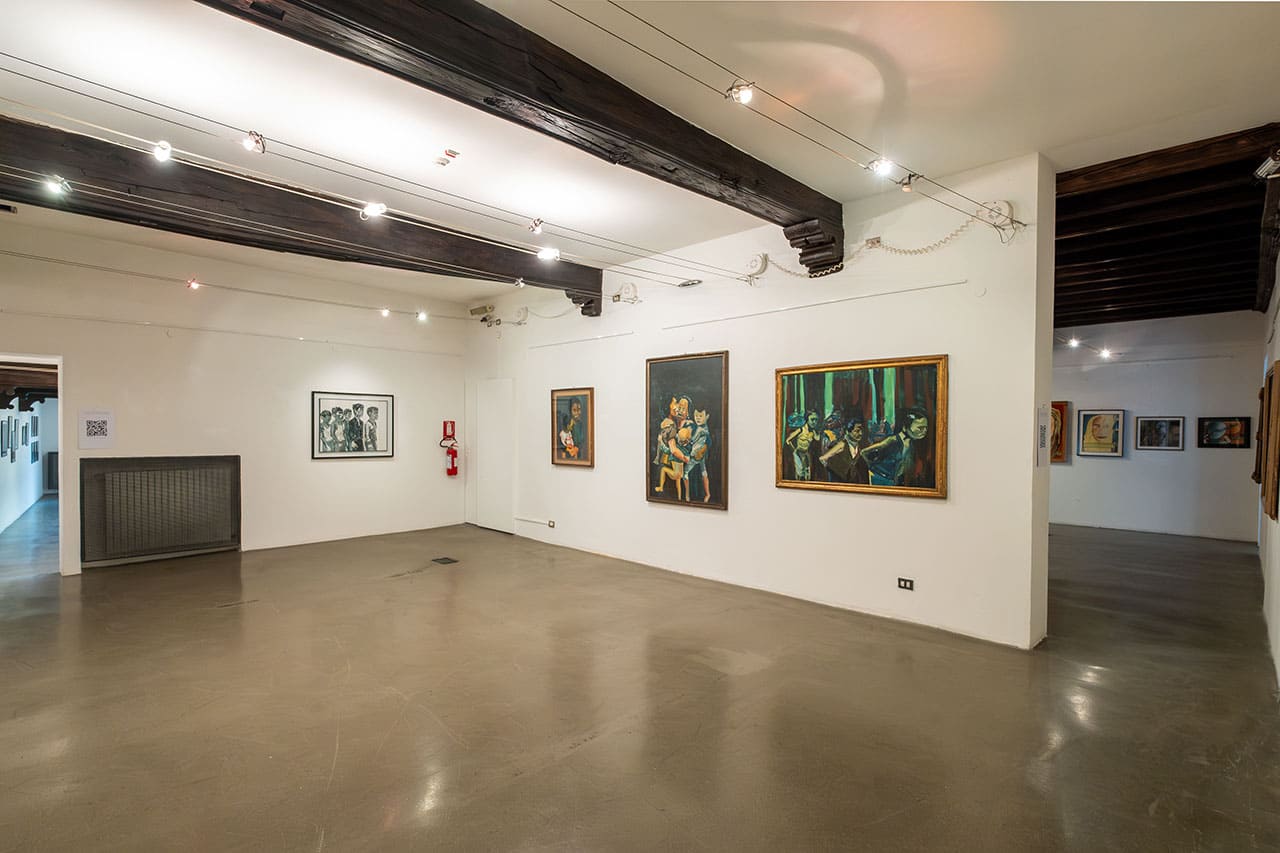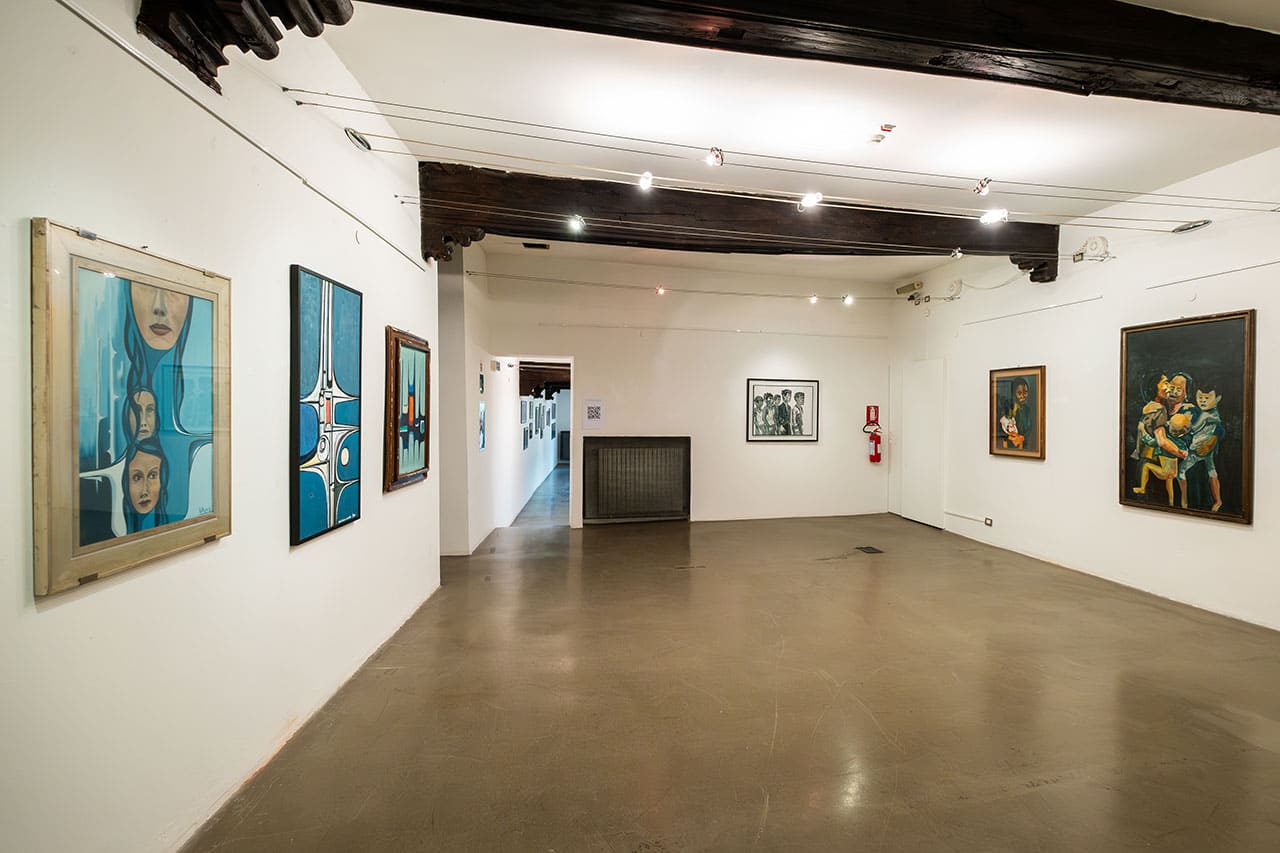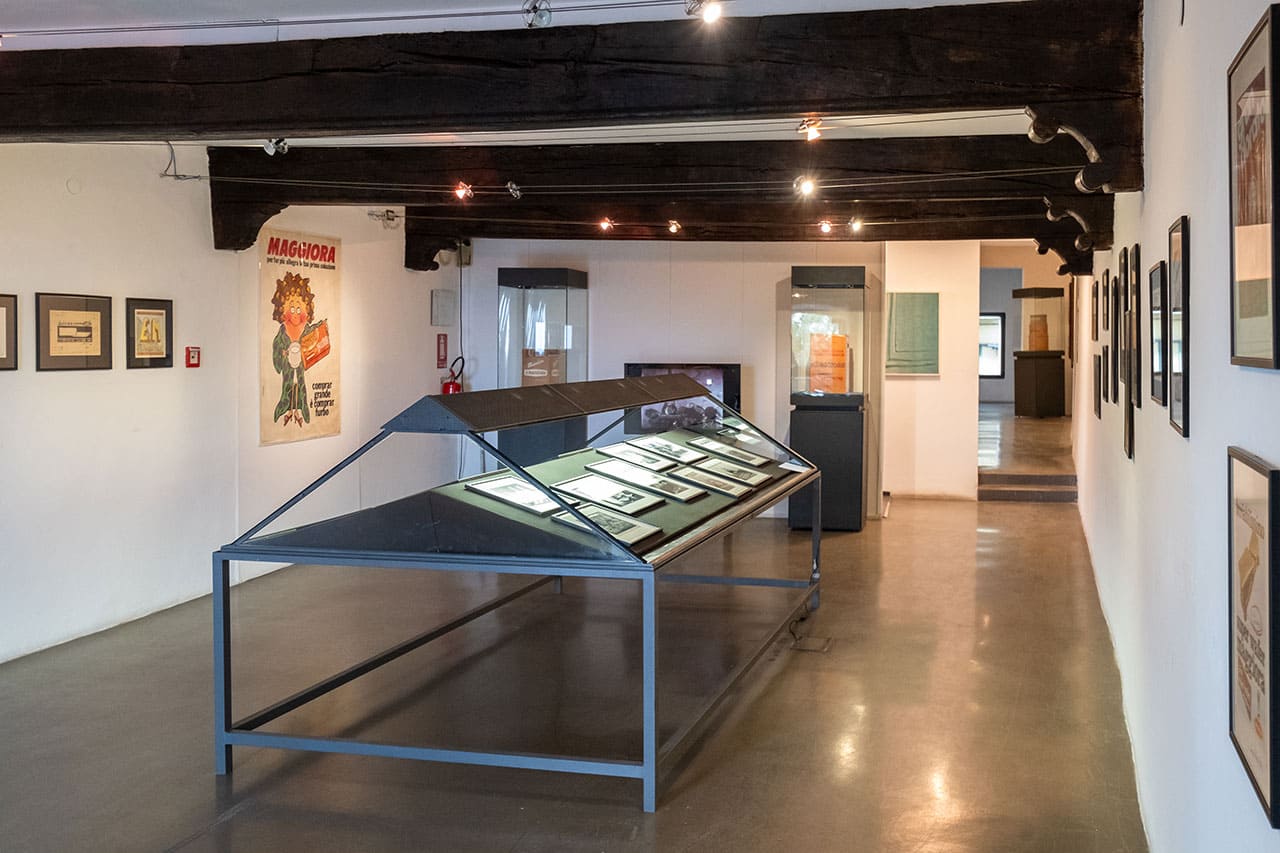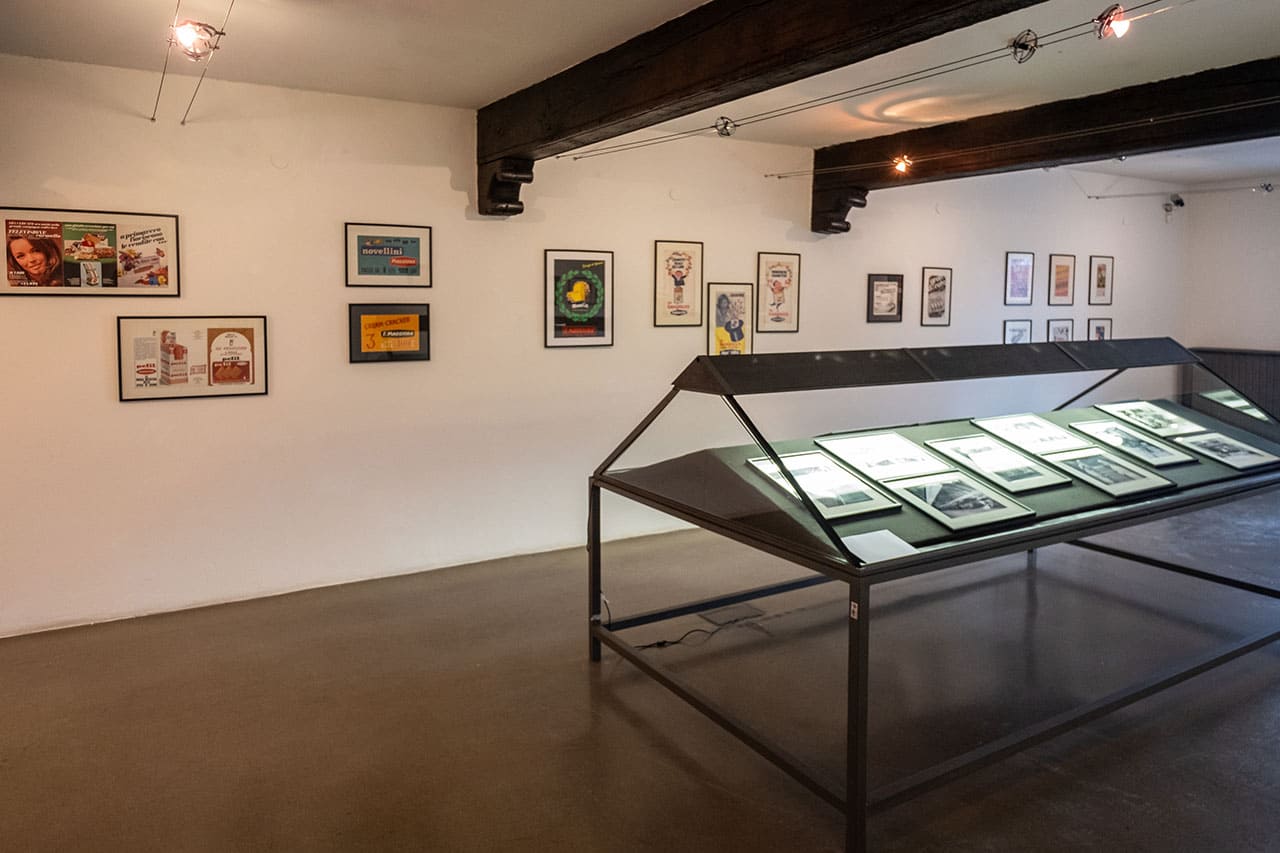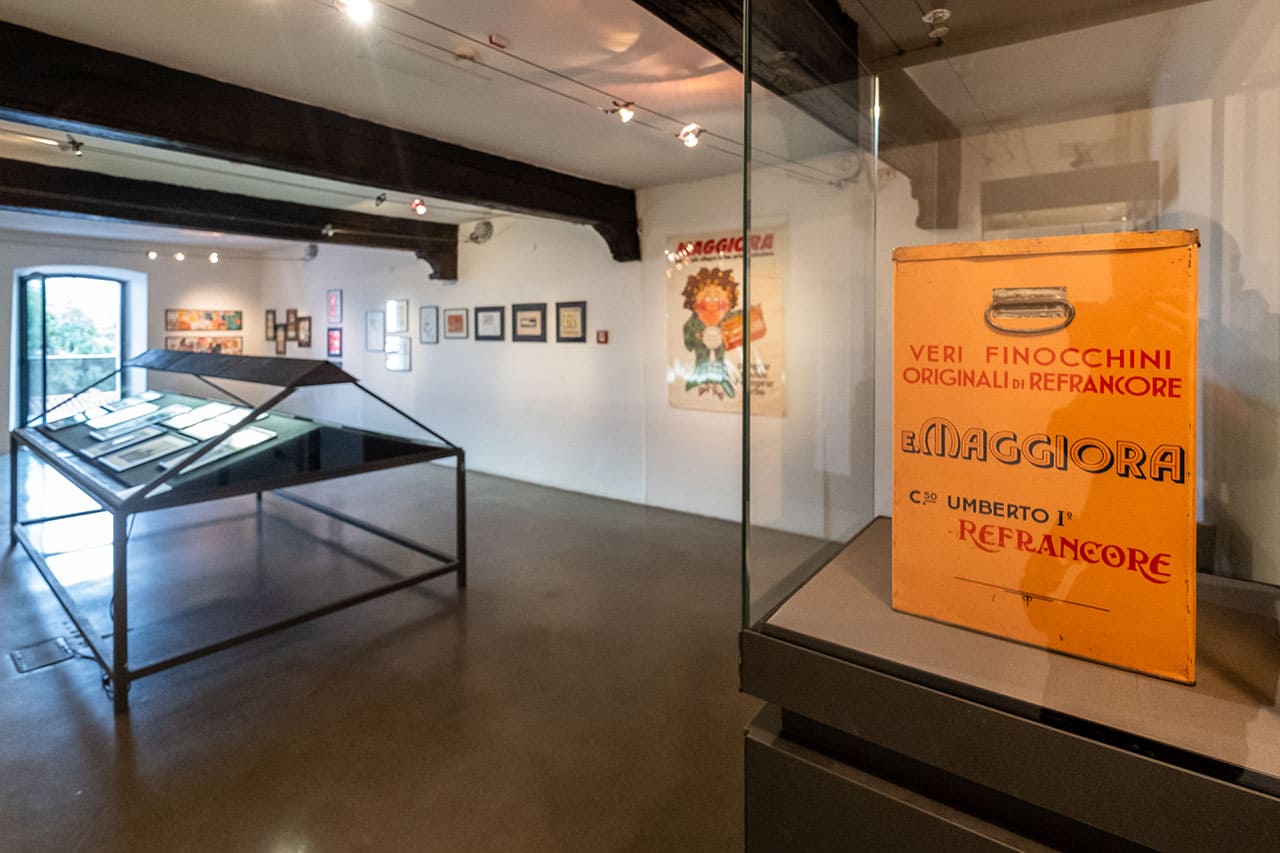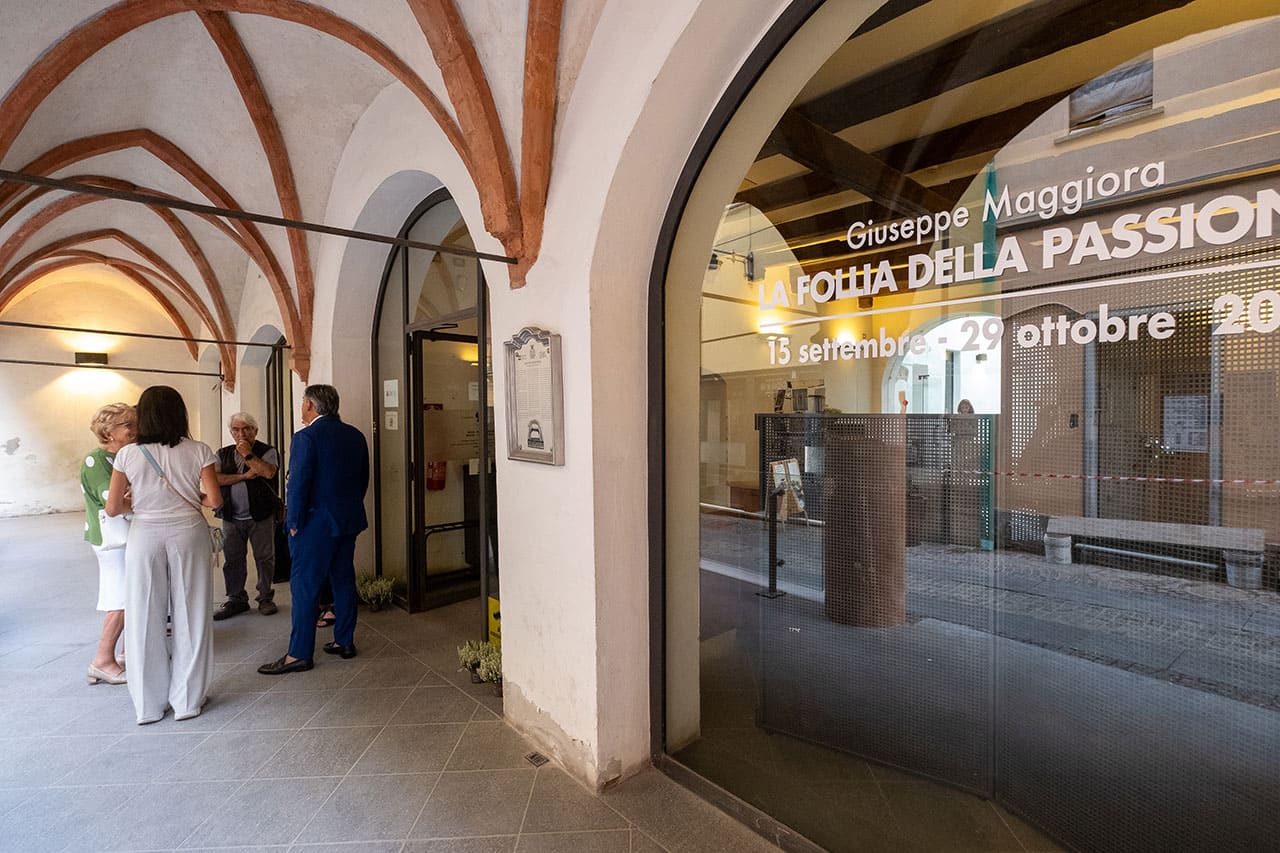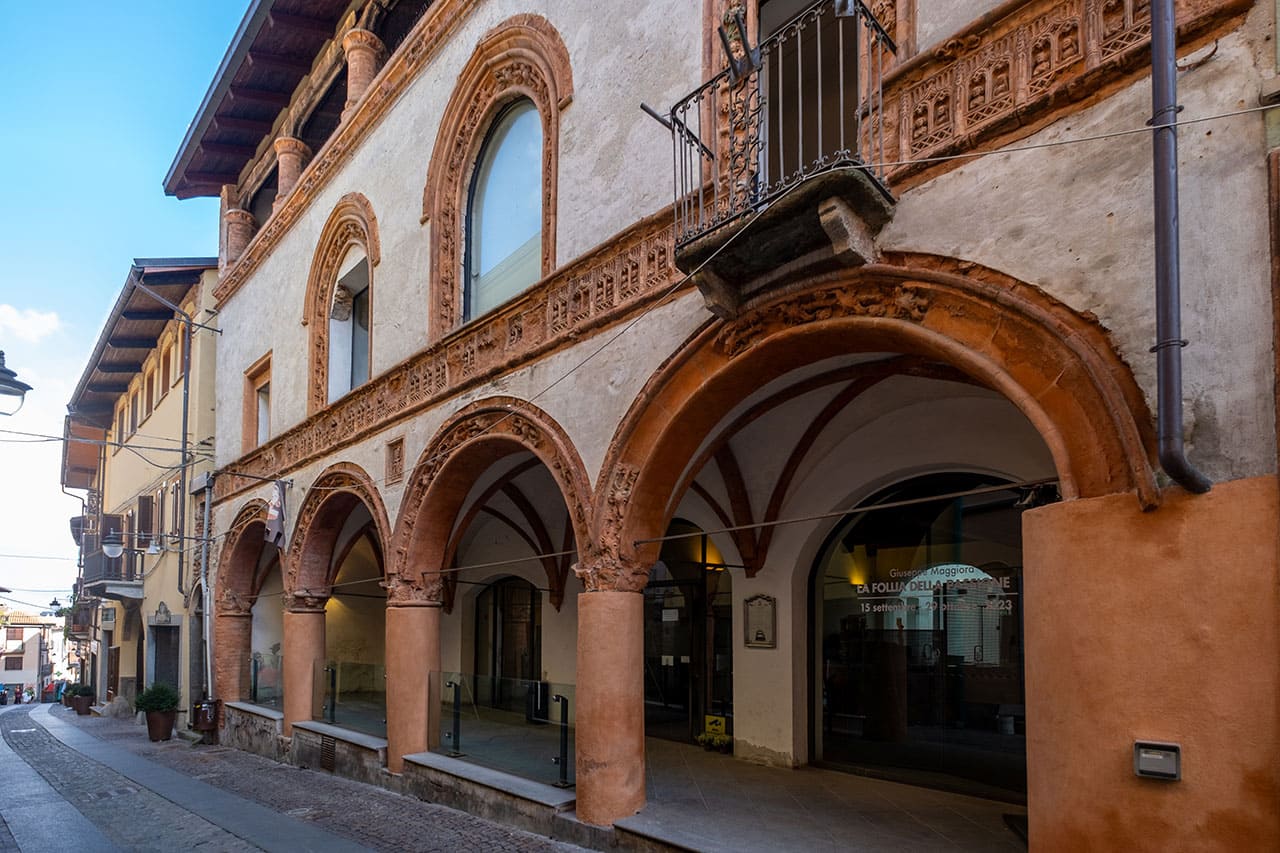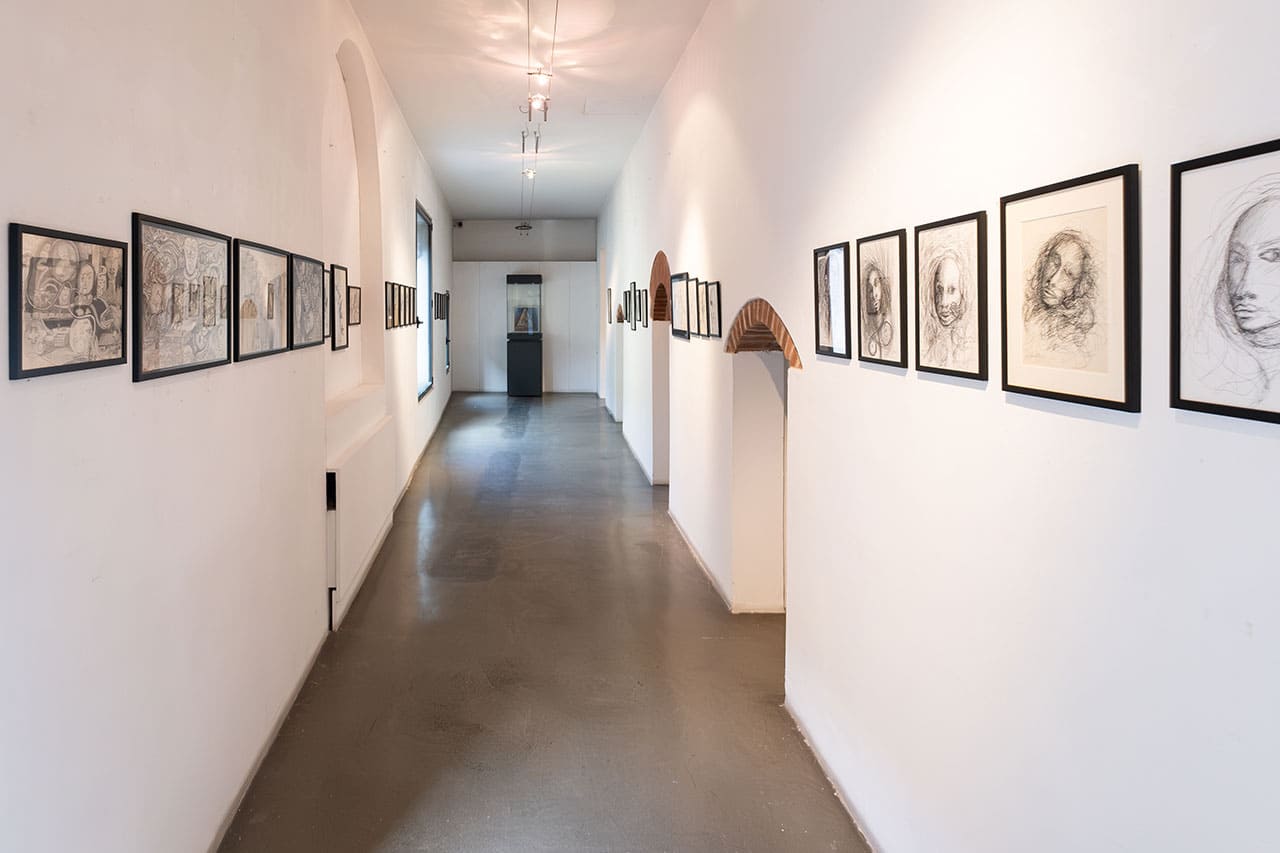
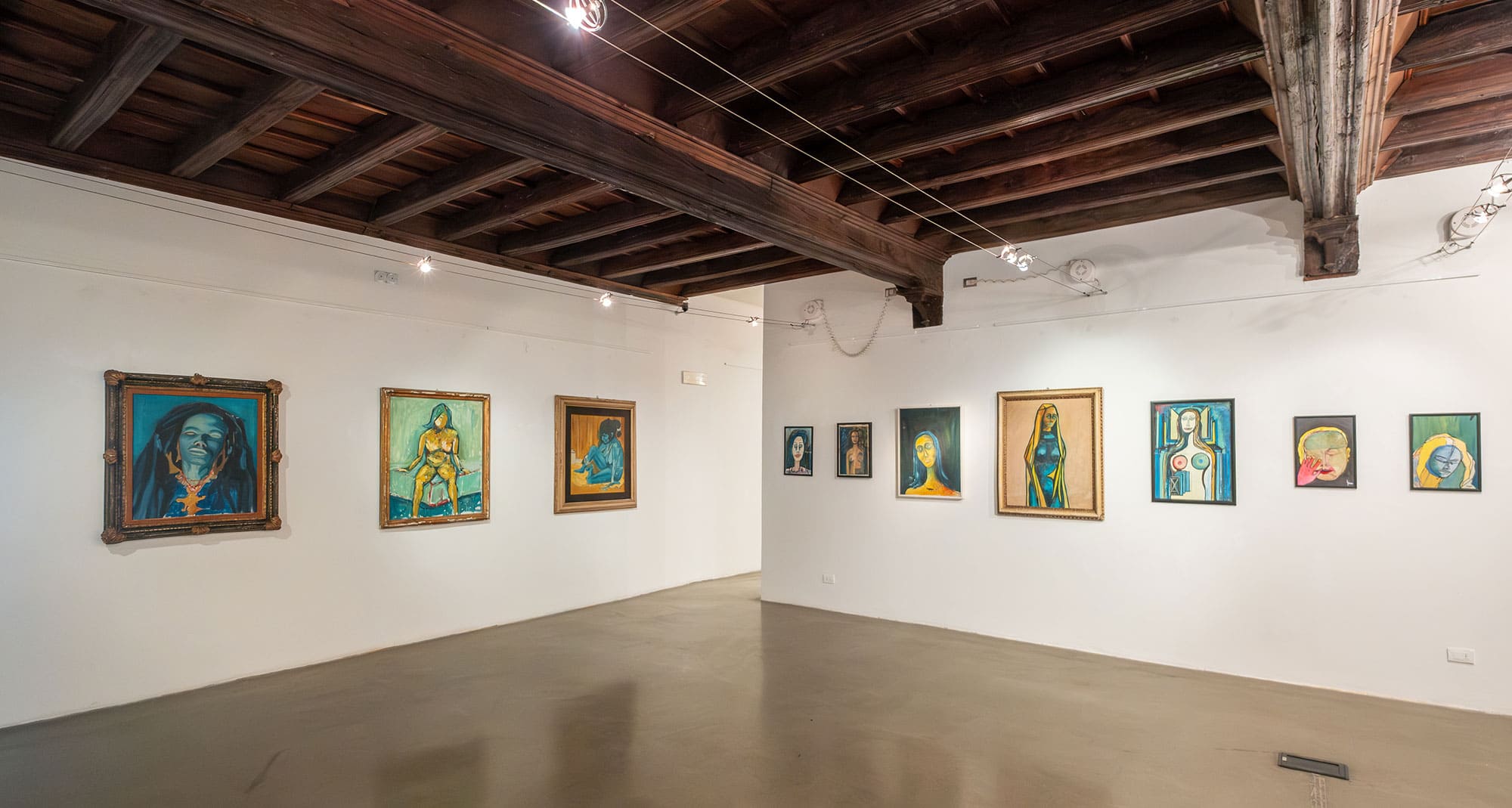
La Casa del Conte Verde is dedicating a major retrospective exhibition to Giuseppe Gip Maggiora, publicly known as the successful entrepreneur behind the Maggiora biscuit factory and founder of the Le Fronde golf club in Avigliana, who had a great passion for painting. An unexpected, submerged and magmatic artistic world emerges from the selection of several dozen works carefully chosen from among the thousands left to the family, which will welcome visitors through a precise exhibition layout.
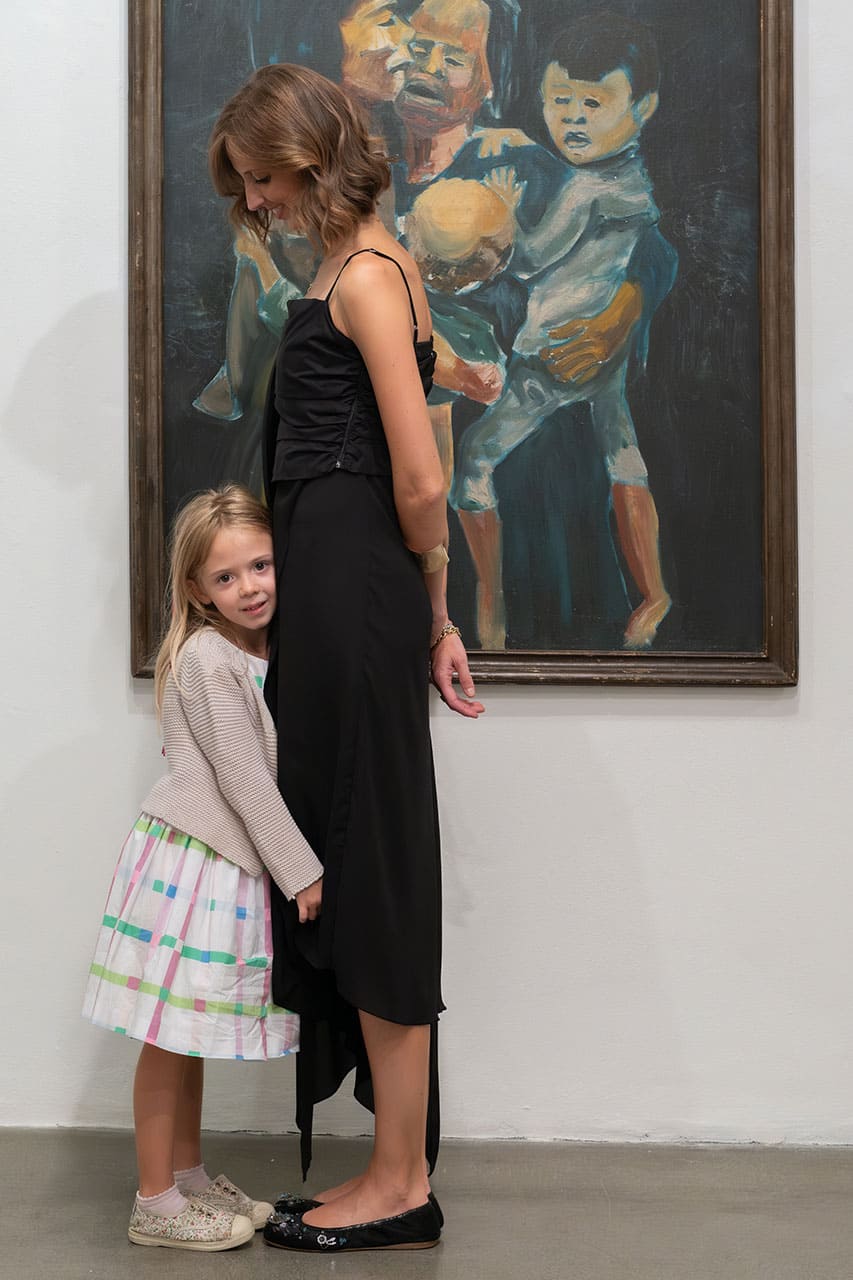
The exhibition, accompanied by explanatory materials, will allow visitors to interpret and understand a personal human journey, but also to reinterpret history – the history of the world – which inevitably reverberates in the artist’s works, such as in the large and painful canvases dedicated to the Vietnam War. The artist, first and foremost, and his intimate passion.
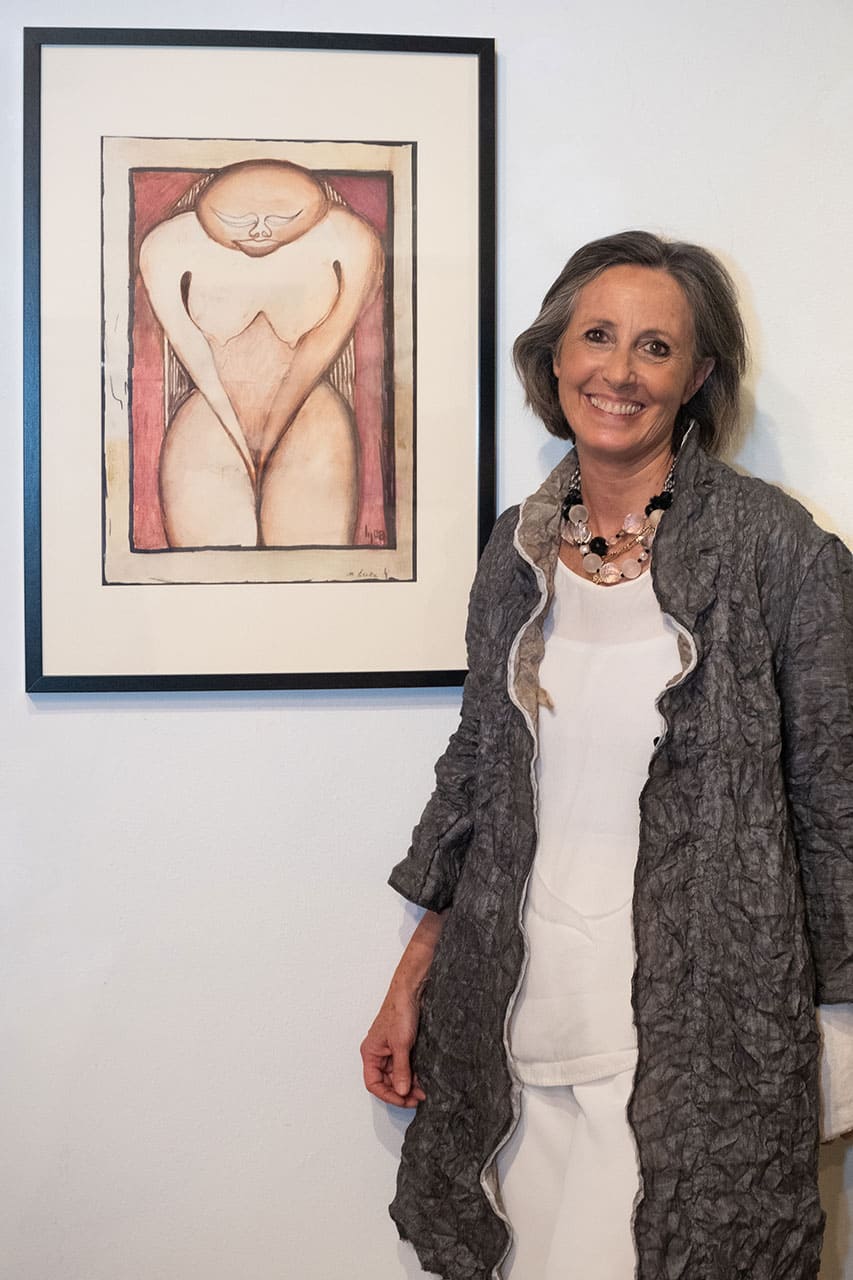
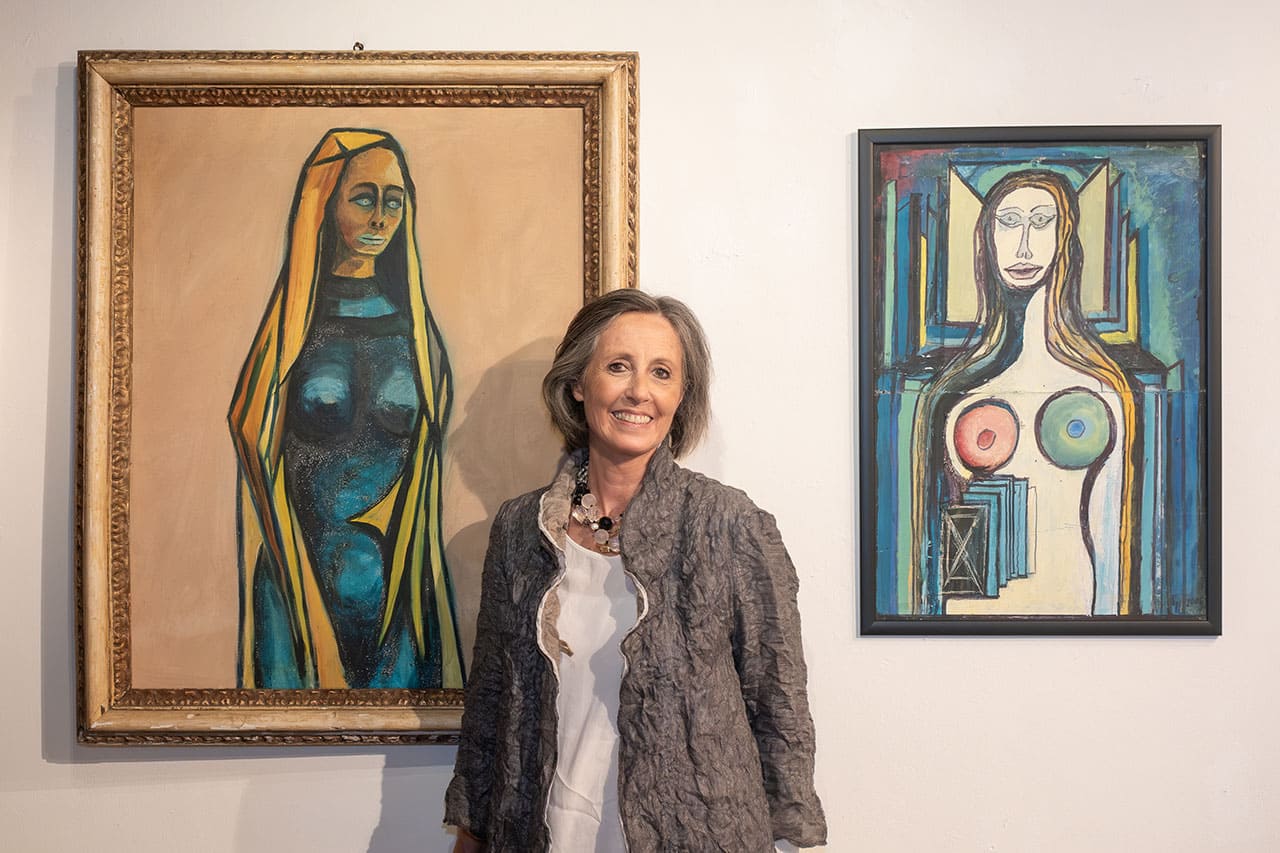
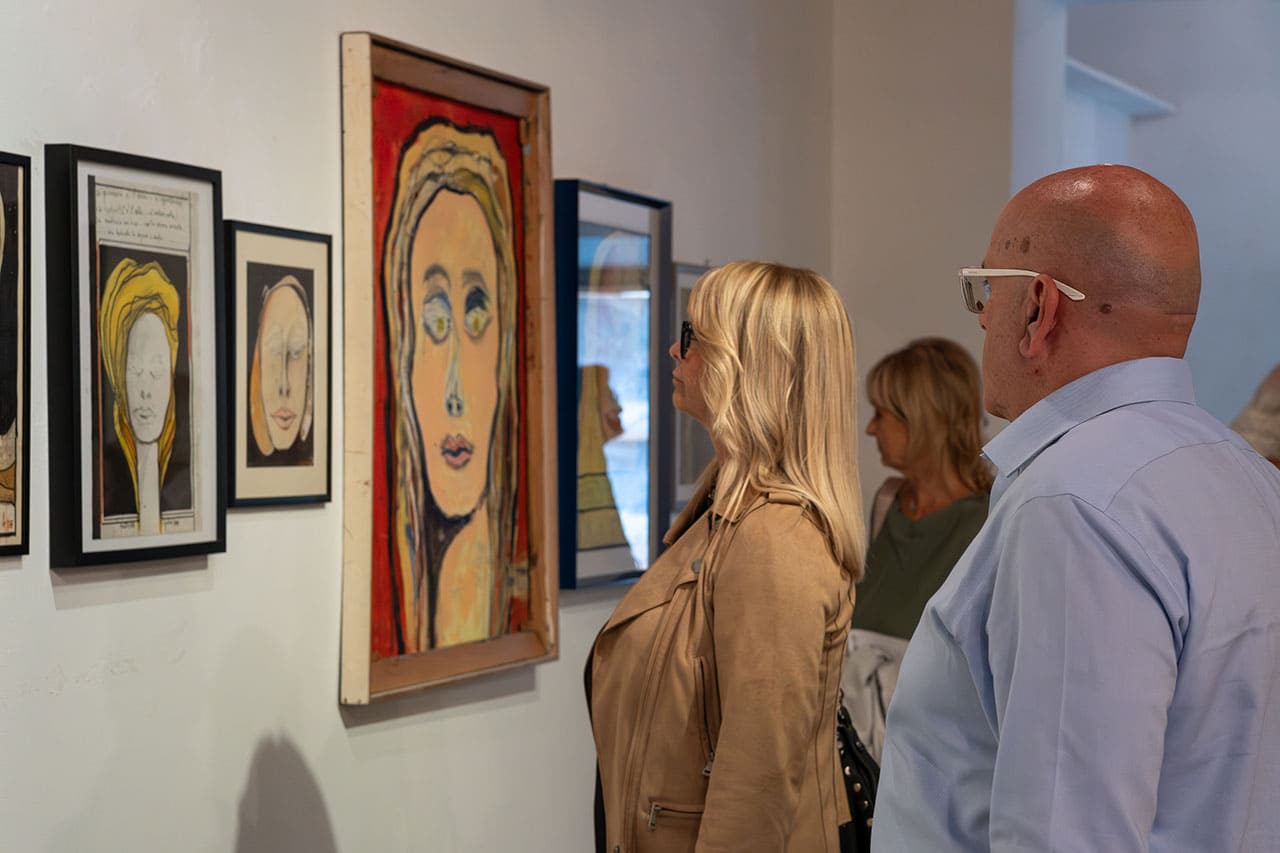
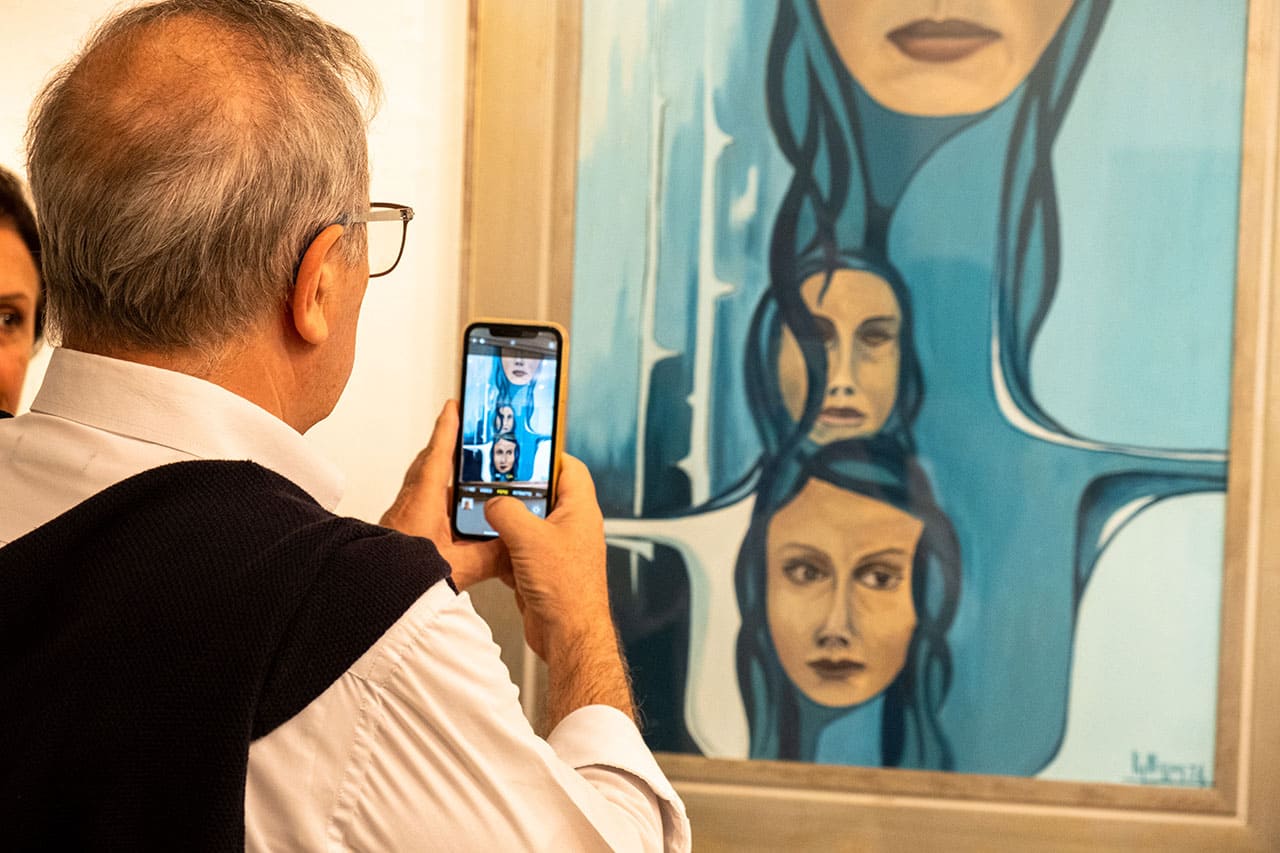
While the public sphere satisfied the professional and convivial aspects befitting a confectionery company, the private sphere sought to satisfy the artist’s more cathartic and obsessive side, which he devoted to certain fundamental themes of his research, producing paintings, drawings and sketches, even on unconventional media. The female figure is certainly one of these, interpreted in the sense of the Great Mother, a primordial female deity, whose figure refers to the maternal symbolism of creativity, birth, fertility and motherhood; but in the artist’s imagination, the gaze is also directed towards the purest eroticism or, on the contrary, towards ethereal faces without a gaze. They are often static figures, a fixity enclosed in an easily perceptible pain: deep and cruel but free from conventional sentimentality. From a stylistic point of view, he develops an autonomous and easily recognisable formal language, sometimes marked by the essentiality of certain early 20th-century Italian figurative painting (Campigli and Casorati, among others), sometimes indebted to expressionist memories and post-modern instances, with incursions even into pop art. Maggiora’s is a catharsis, but one filtered artistically by skill and rationality.
Several works dedicated to members of his family, first and foremost to his wife Elena, to whom he dedicated many works. In the corpus of paintings many dedicated to his children, his grandchildren and his family. One among a30> many concerning the trees and present in exhibition with the inscription: dedicated to Erica. This is one of her children, heir together with her brothers, custodians of the artistic activity, but also of the culinary tradition of the family.
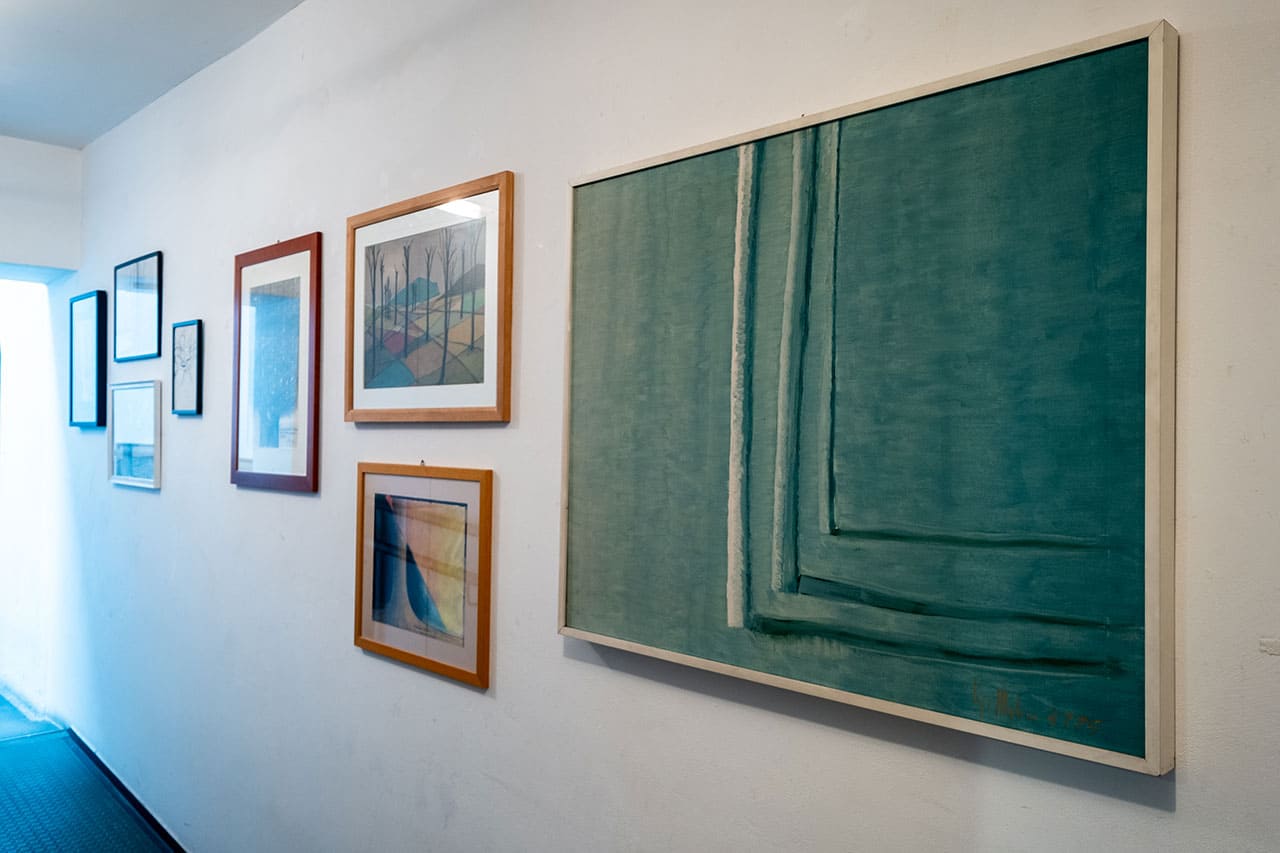
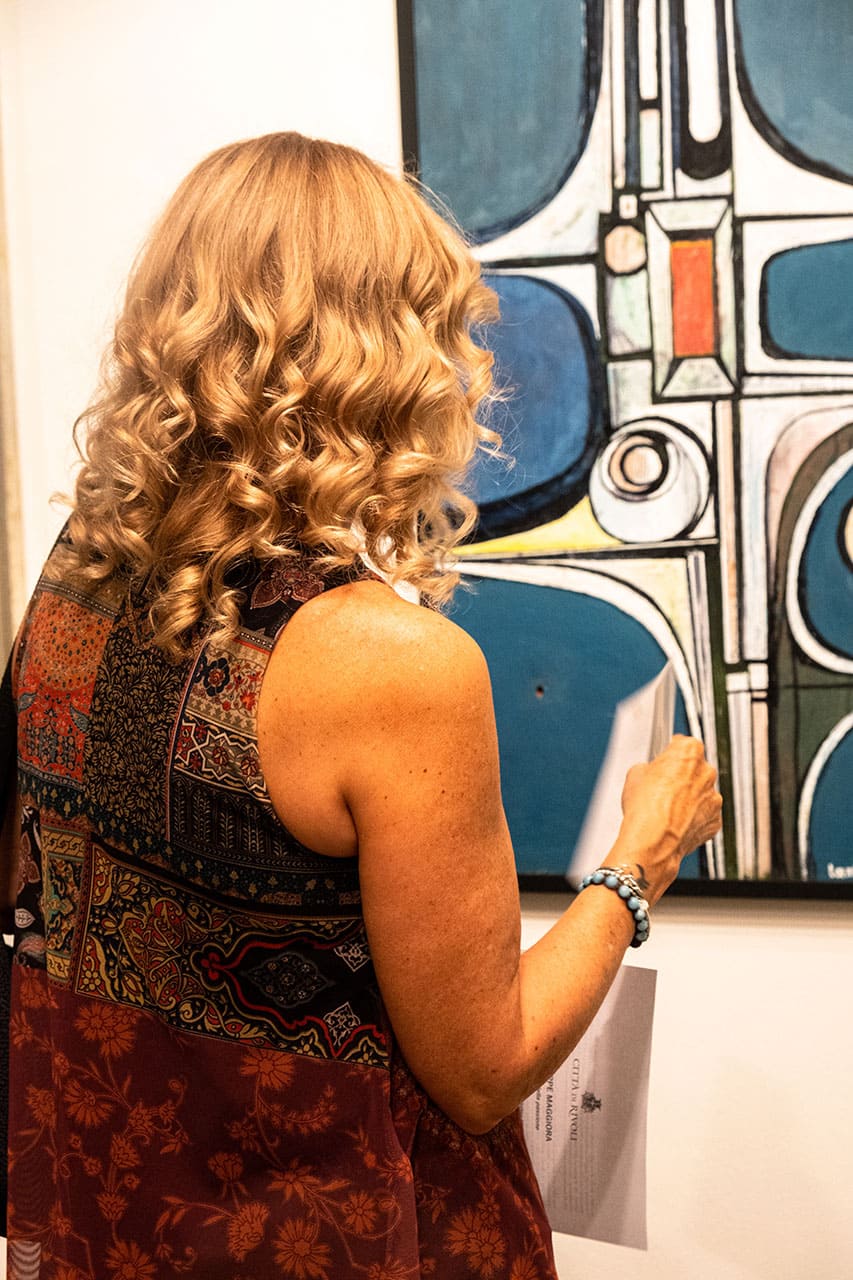
Also on display are several abstract works, including what the artist called the Segno Maggiora (Major Sign), which, together with other subjects, seem to adhere to both the artistic research carried out by the MAC, Movimento Arte Concreta (Concrete Art Movement), founded in Milan in 1948 by a number of figures including Bruno Munari and Ettore Sottsass, and the proposals of Optical Art. According to his heirs, this was not a conscious intention, but the works belonging to these phases were probably the result of a historical and cultural mood that drew inspiration from experiments also carried out in the fields of advertising and cinema.
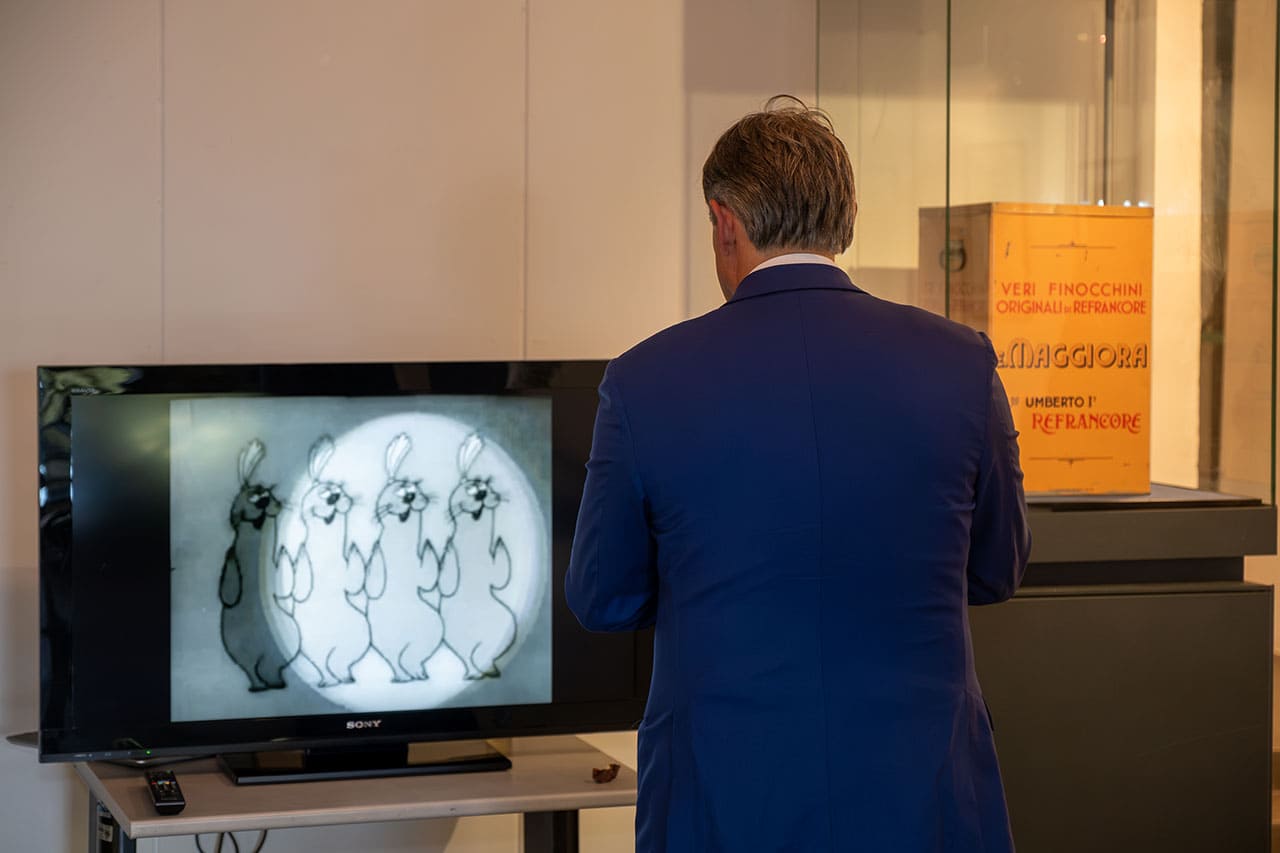
An entire room of the exhibition is dedicated to the public aspect: the figure of the visionary entrepreneur returns, who, despite entrusting the communication aspect to the Relè advertising agency, often physically intervened on the advertising sketches. Posters from the period, tin boxes, some jewellery and splendid black and white photographs taken in the company by photographers who unfortunately remain anonymous complete the exhibition and its narrative. A monitor showing television commercials made for television, involving artists of the calibre of Pino Pascali, Giovanni Arpino and Bruno Bozzetto, accompanies this last part of the exhibition, bringing it to a close.