

We are proud of our family history, which is closely linked to that of Biscottificio Maggiora, an Italian industrial company founded in the difficult years following the First World War. It grew steadily in the decades that followed and brought important innovations to the confectionery production sector during the economic boom. It is a story of revolutions and evolutions, written by men and women who never gave up, who chose to always look beyond, going far.
Ermenegildo Maggiora, the man who started it all, succeeded in popularising the everyday consumption of a foodstuff, the biscuit, which had been considered a luxury item until the 1950s.
Ermenegildo Maggiora, known as “Gildo”, the sixth of eight children, was born in 1903 in Barcara, a hamlet of Refrancore d’Asti. Coming from a family of farmers, Ermenegildo helped his parents work in the fields. In 1928, he married Adalgisa Sillano and became the father of three children: Giuseppe, Maria and Renzo.
Nel 1929, durante una grave crisi economica mondiale, ha un’intuizione decisiva: acquista a credito un vagone di gorgonzola e, in sella alla sua bicicletta, inizia a vendere le forme di formaggio nel circondario. Con il ricavato apre un negozio di generi alimentari nella frazione natia.
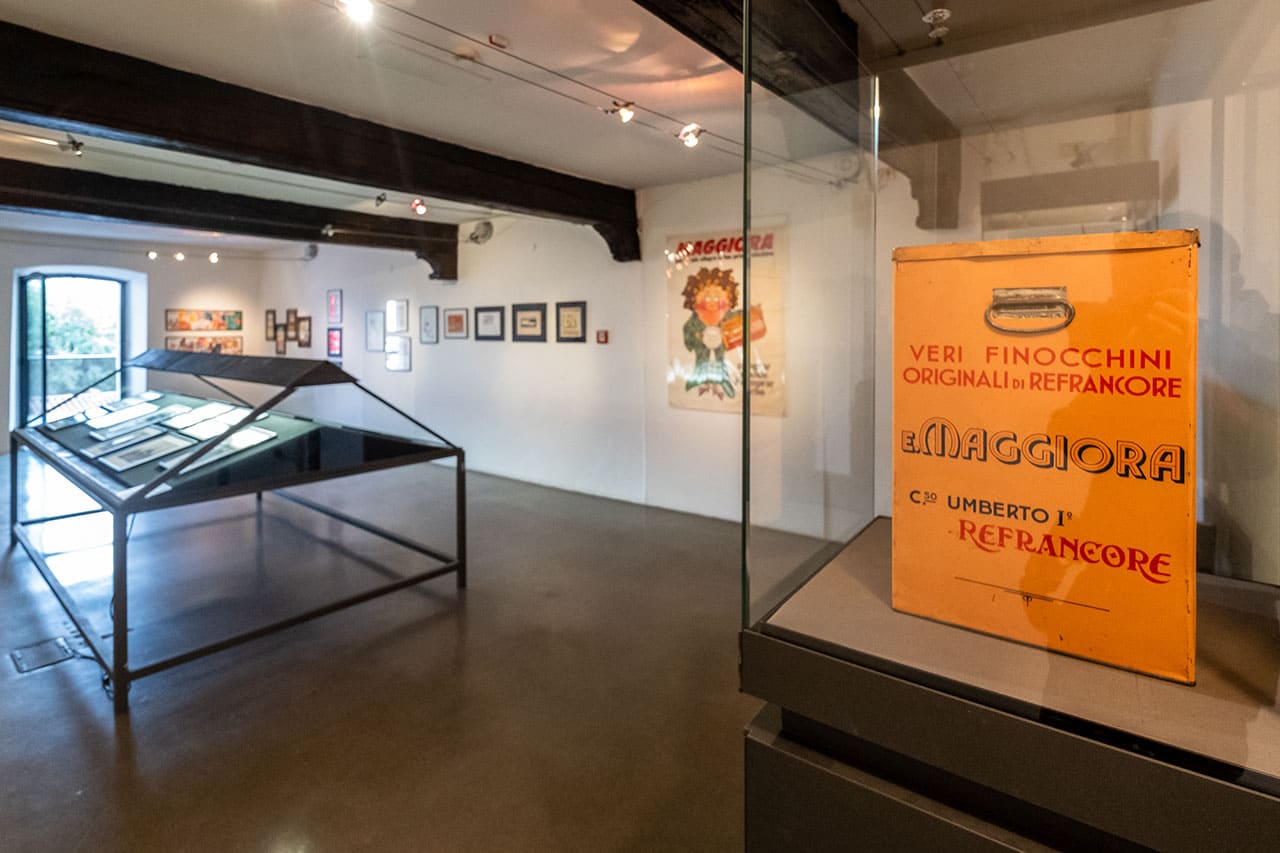
The second happy intuition comes from a local recipe for Finocchini biscuits, characterised by eggs, sugar, flour and a drop of aniseed flavouring.
In 1935, Ermenegildo took over a pastry shop in Refrancore and began producing biscuits. At night, together with two assistants, he kneaded and baked the biscuits, which he then delivered to neighbouring villages at dawn in his small motorised cart.
The business grew rapidly, requiring the expansion and modernisation of the workshop. In 1939, at the dawn of the Second World War, Ermenegildo moved the company to Collegno, near Turin, where he opened a fully-fledged industrial plant.
Despite the difficulties of the war, business quickly resumed in 1945, with the installation of the first conveyor belt system to increase production.
In 1945, Ermenegildo introduced Wafers, an innovative product that became a milestone in the history of the biscuit factory. The direct sale of loose biscuits at affordable prices contributed to the company’s success. In 1956, Ermenegildo further revolutionised the market by introducing packaged biscuits sold at half the average market price, making biscuits affordable for everyone.
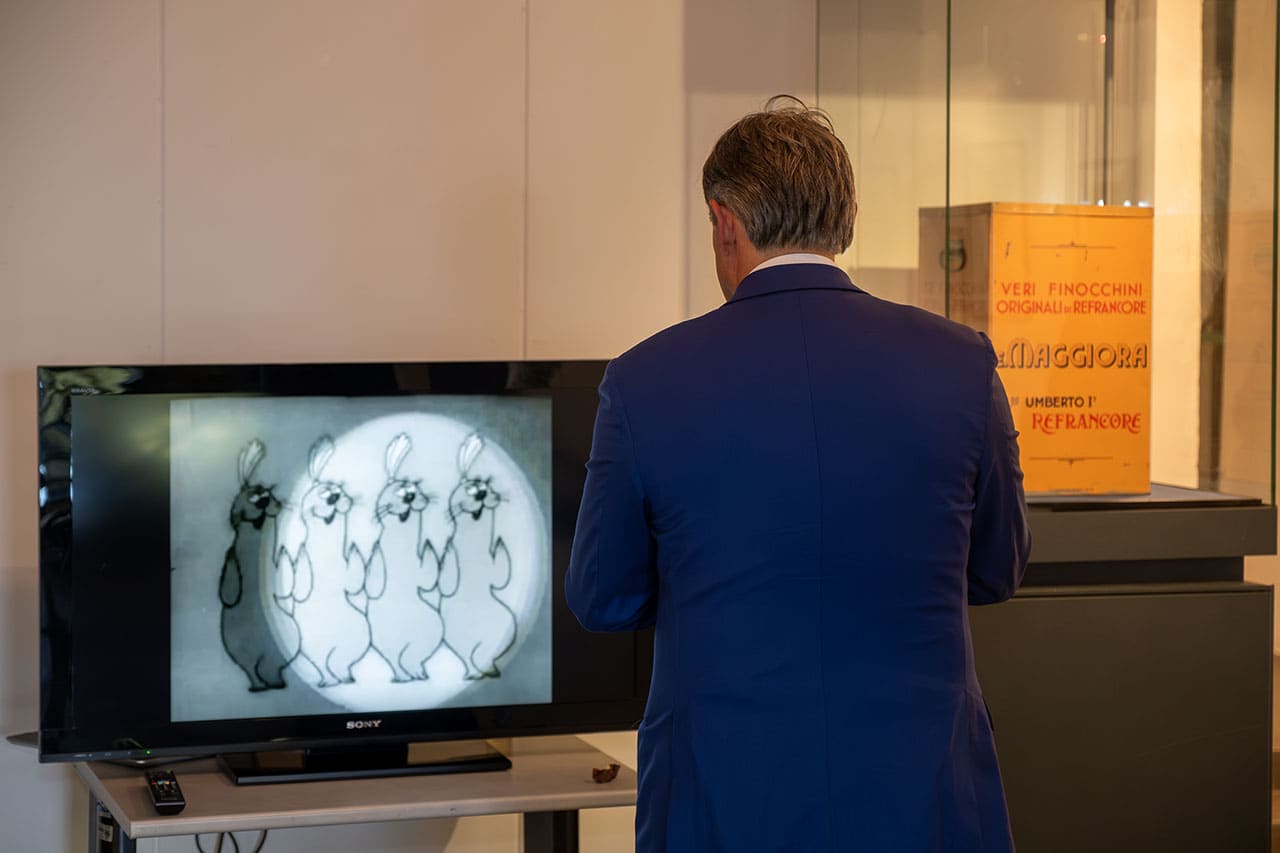
In 1959, Giuseppe Maggiora, Ermenegildo’s son, joined the family business, bringing a breath of fresh air to the company’s marketing. His artistic skills contributed to highly successful advertising campaigns, including commercials aired during Carosello, a well-known advertising programme on Rai television.
In 1961, Ermenegildo expanded production to include sweets, introducing the iconic Toujours. In 1964, he was awarded the national “Mercurio d’Oro” prize. In 1967, the company was transformed into a general partnership, with Ermenegildo entrusting its management to his sons.
In the 1970s, Biscottificio Maggiora merged with the Turin-based chocolate factory Talmone under the name Venchi Unica. Giuseppe Maggiora left the company in 1972, marking the end of an era. However, the legacy of Biscottificio Maggiora lives on in the memories of many Italian families.
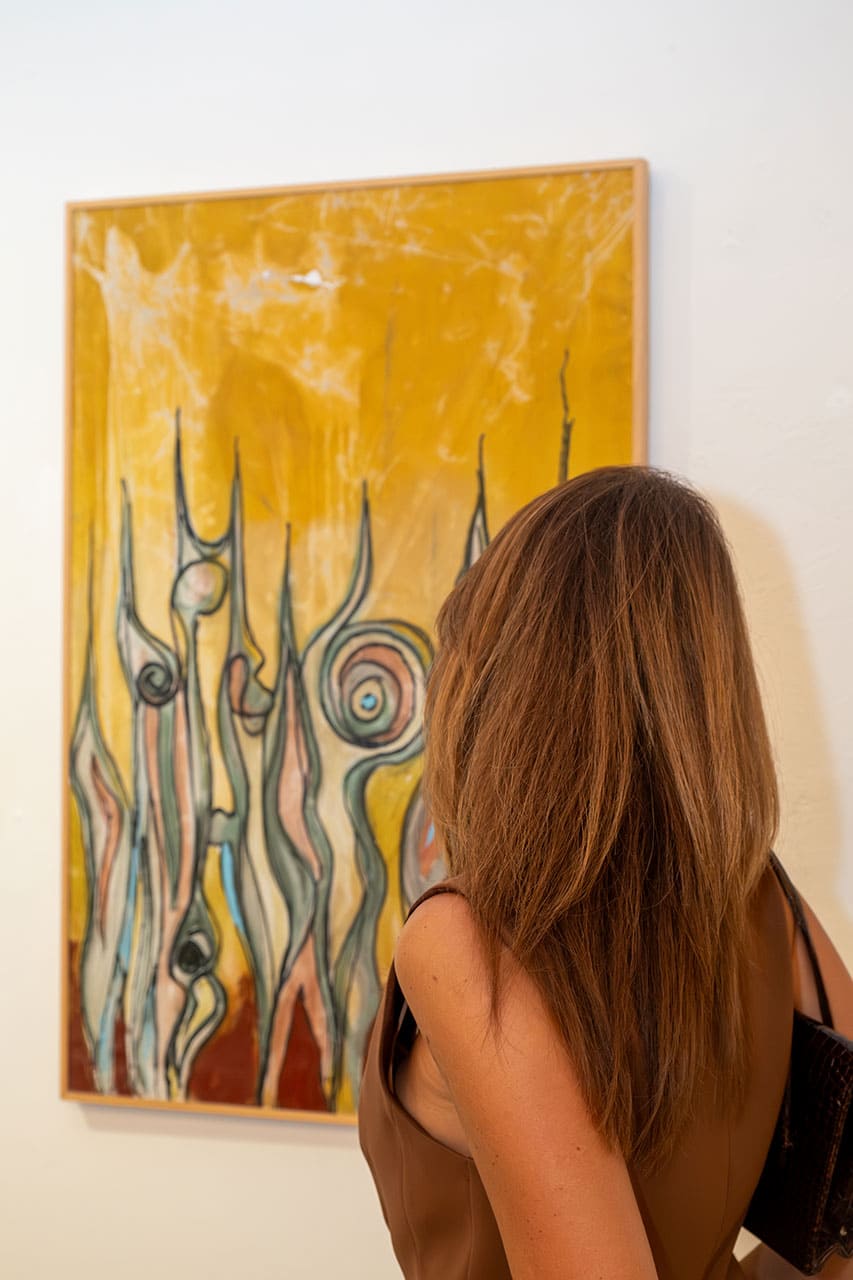
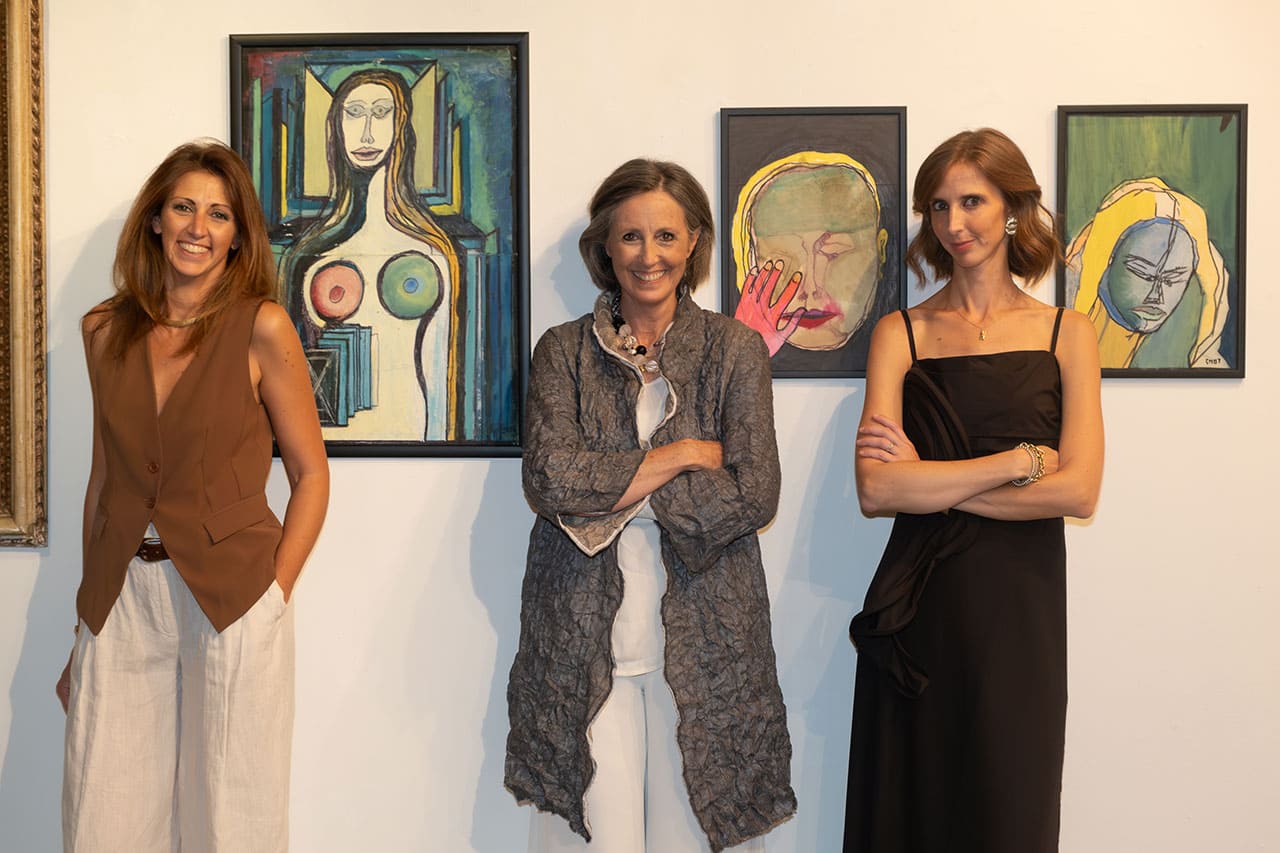
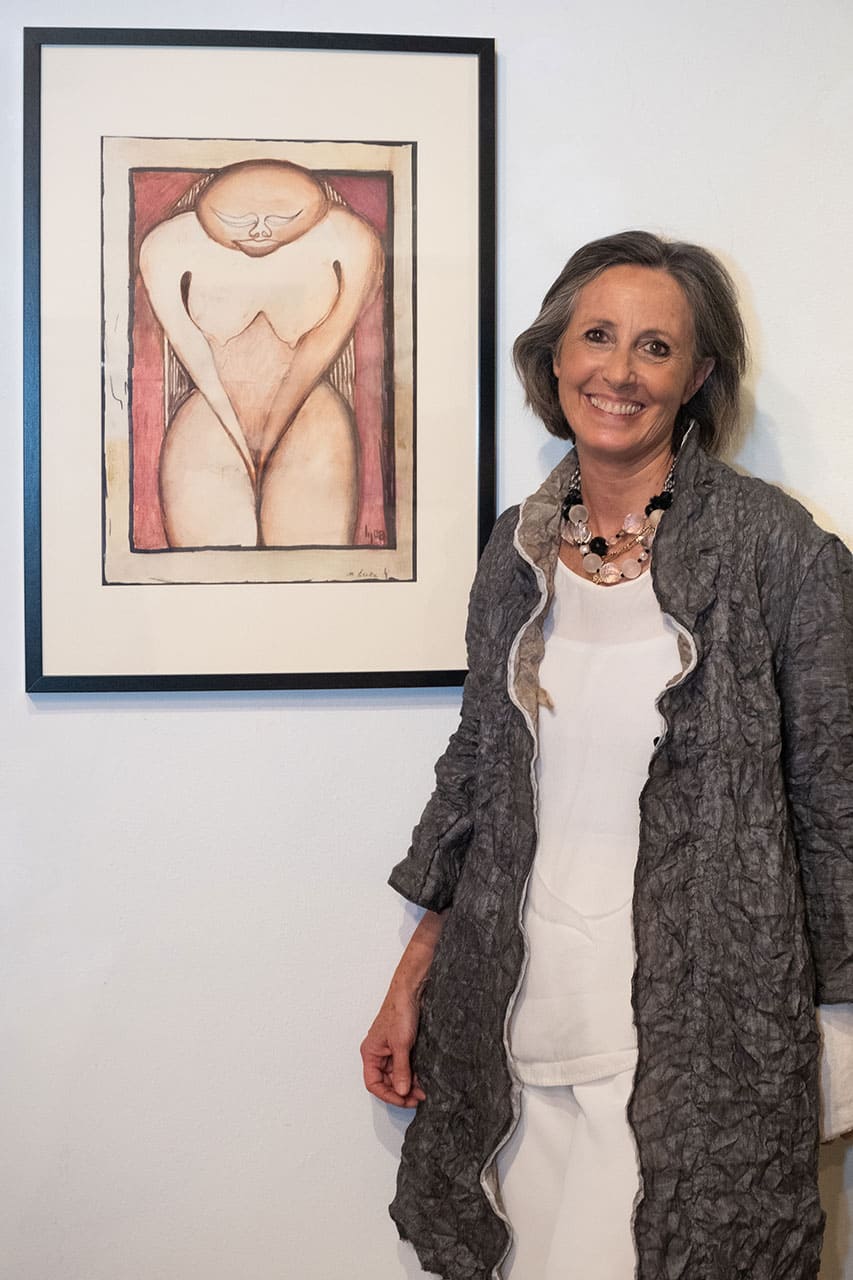
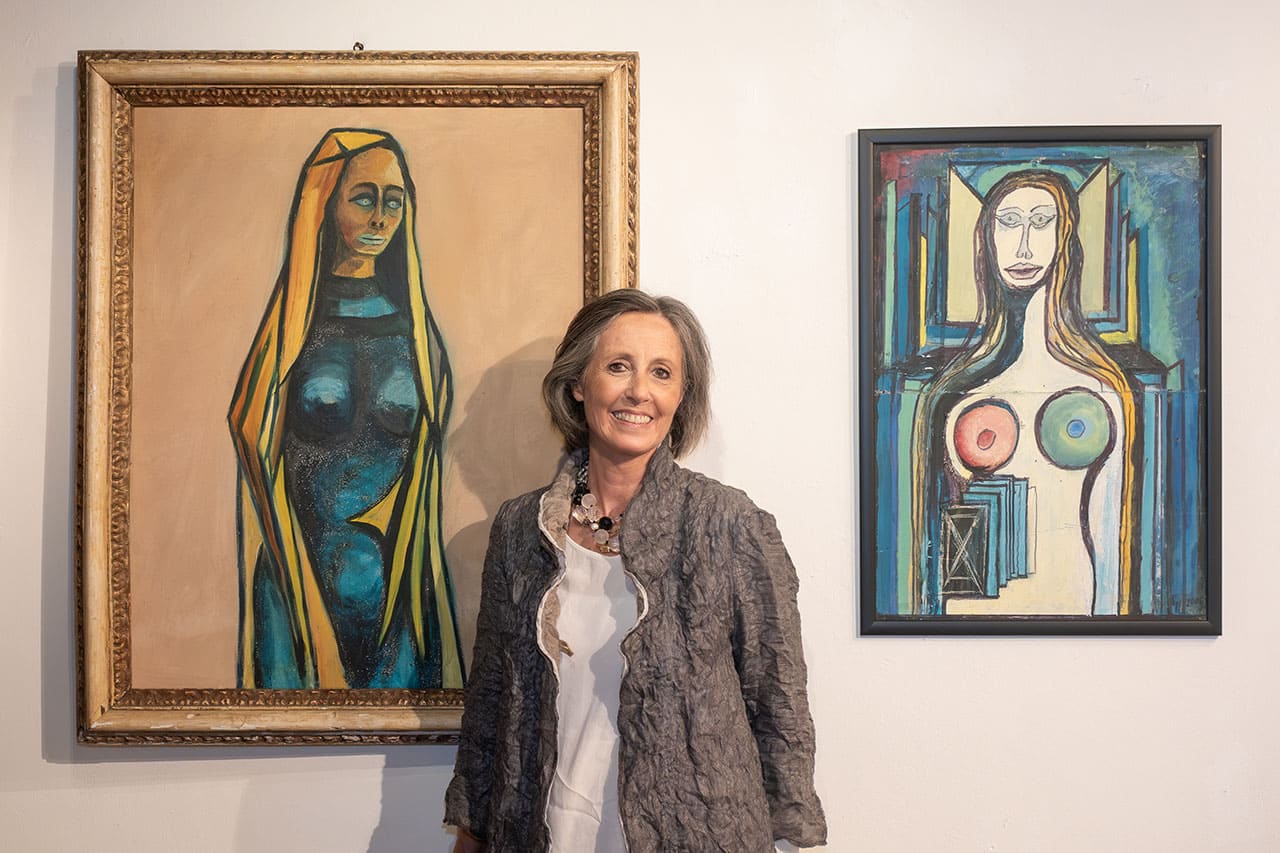
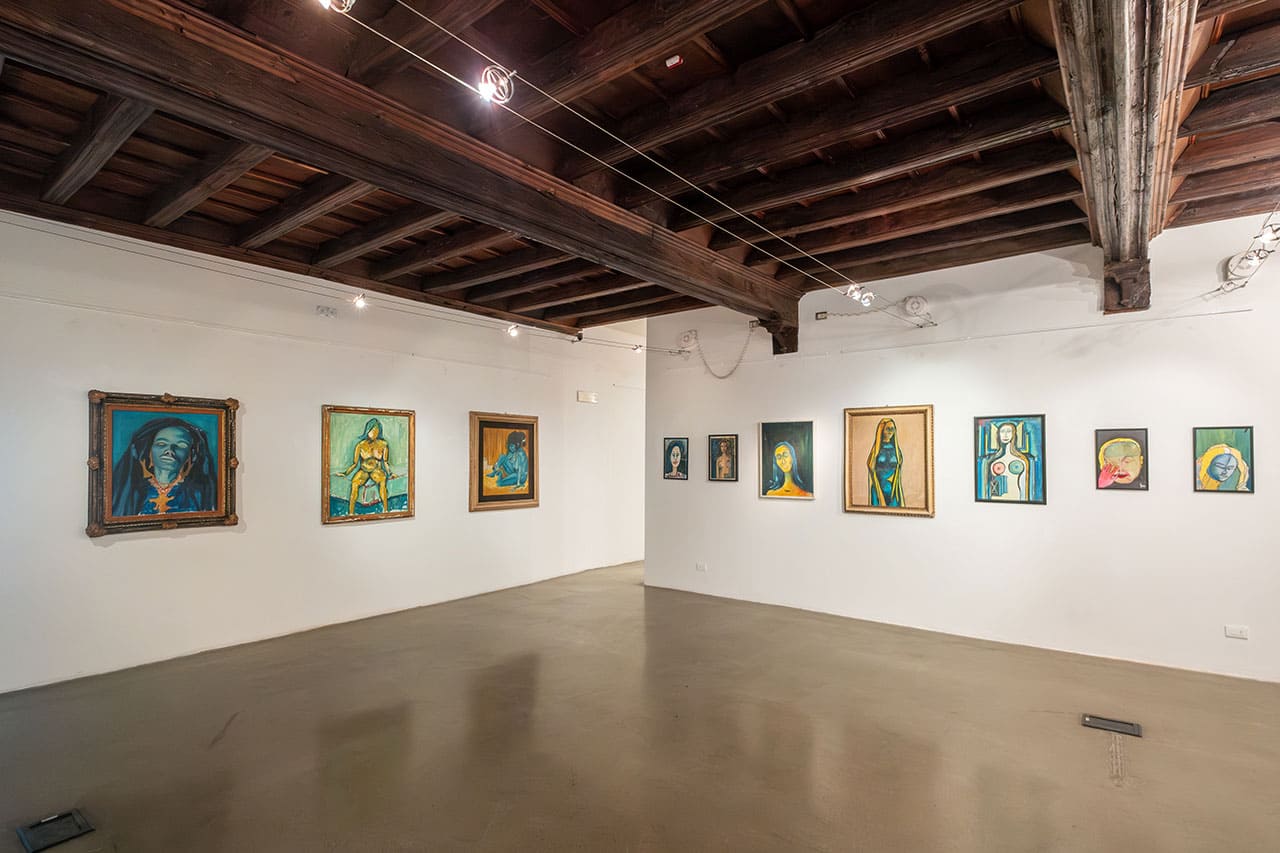
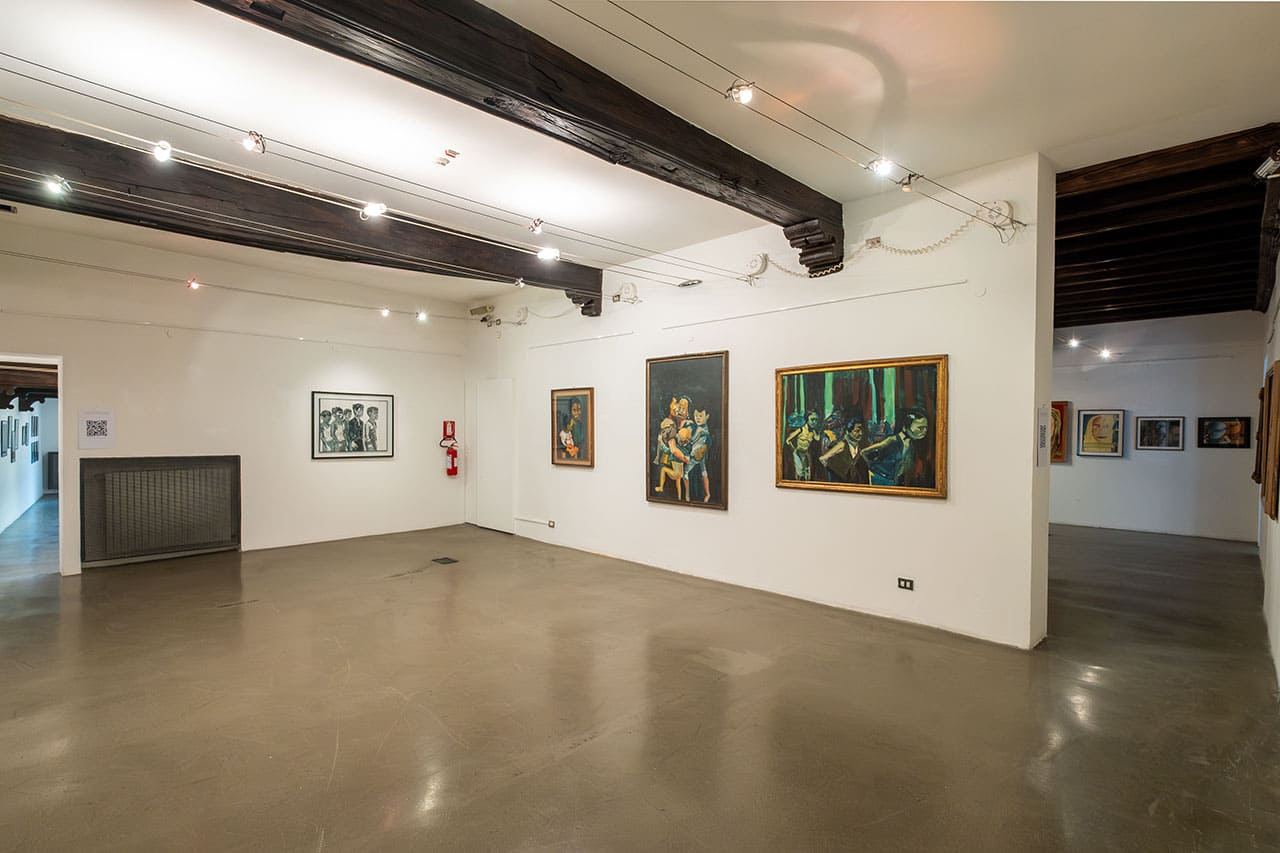
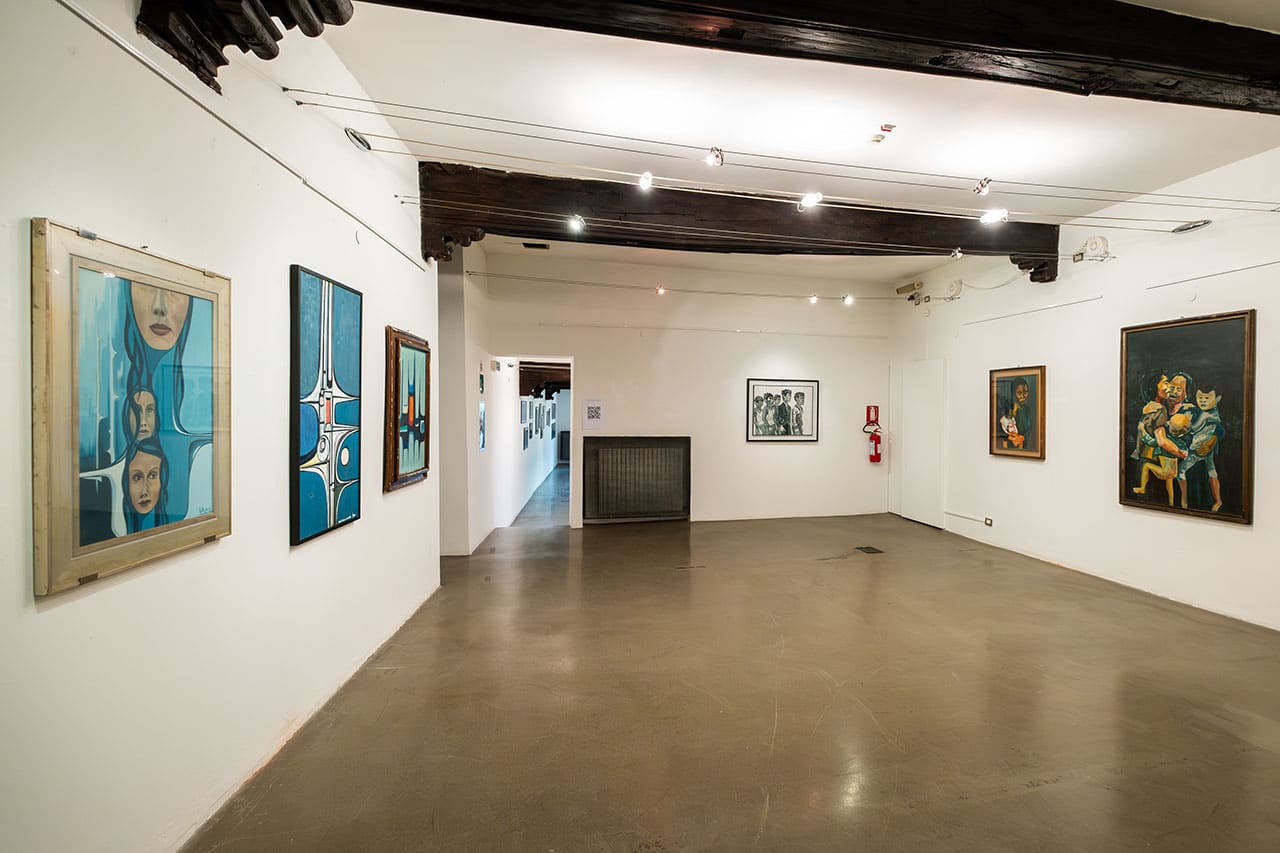
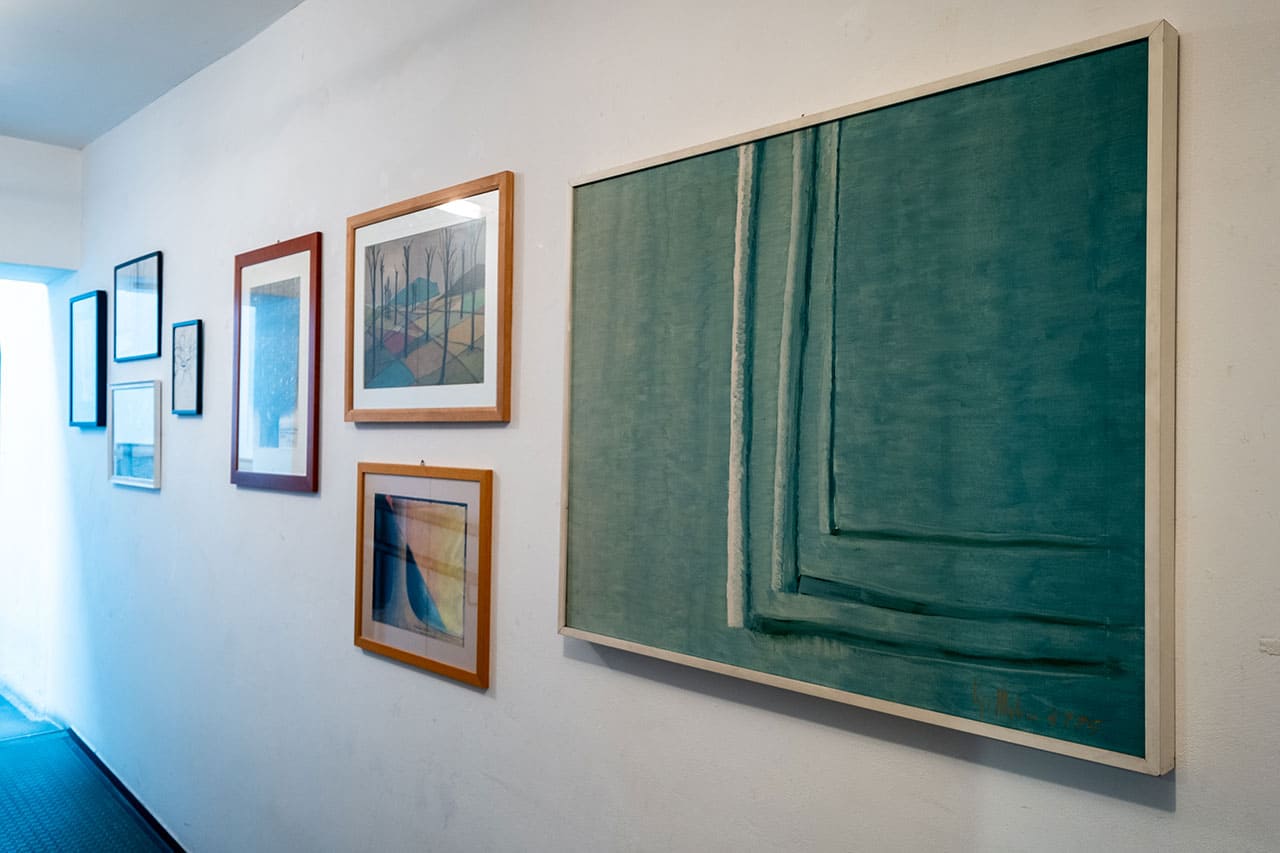
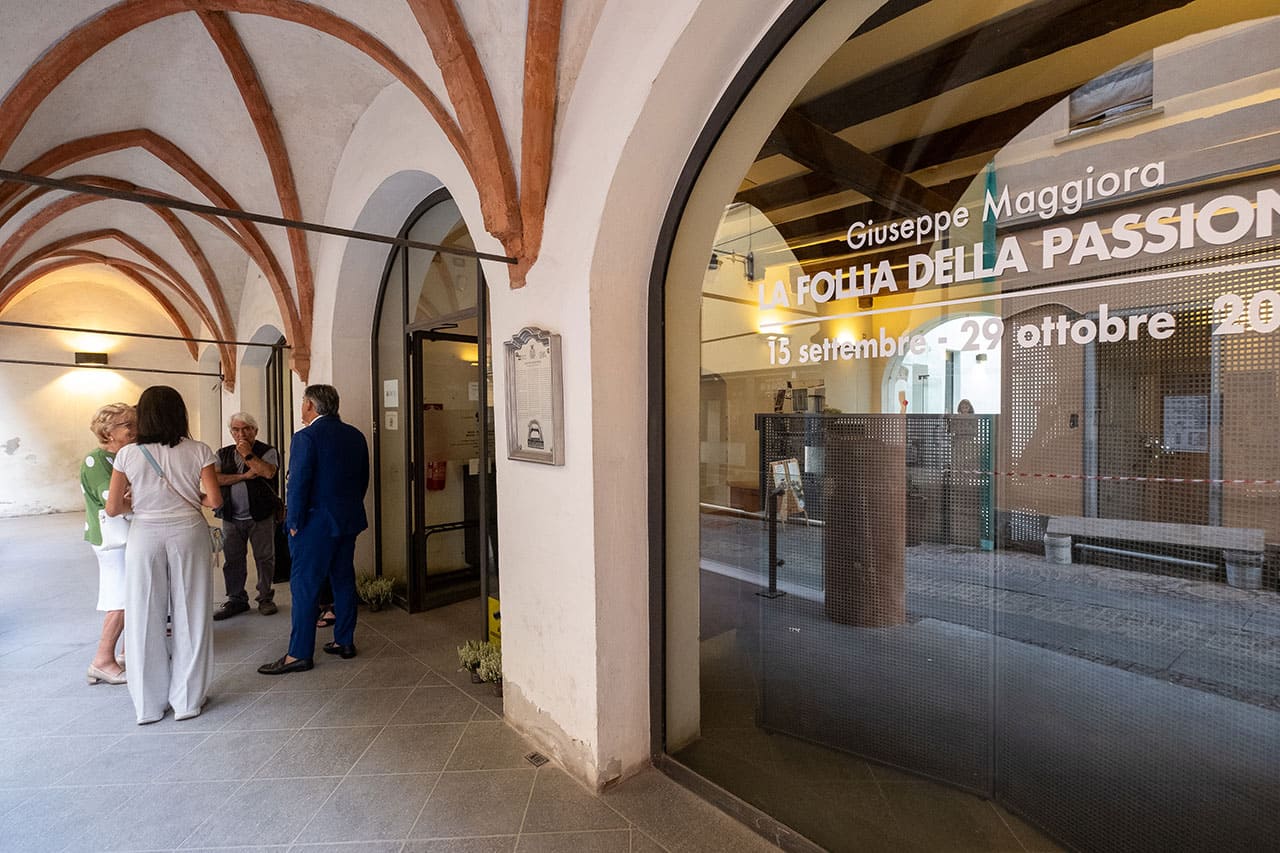
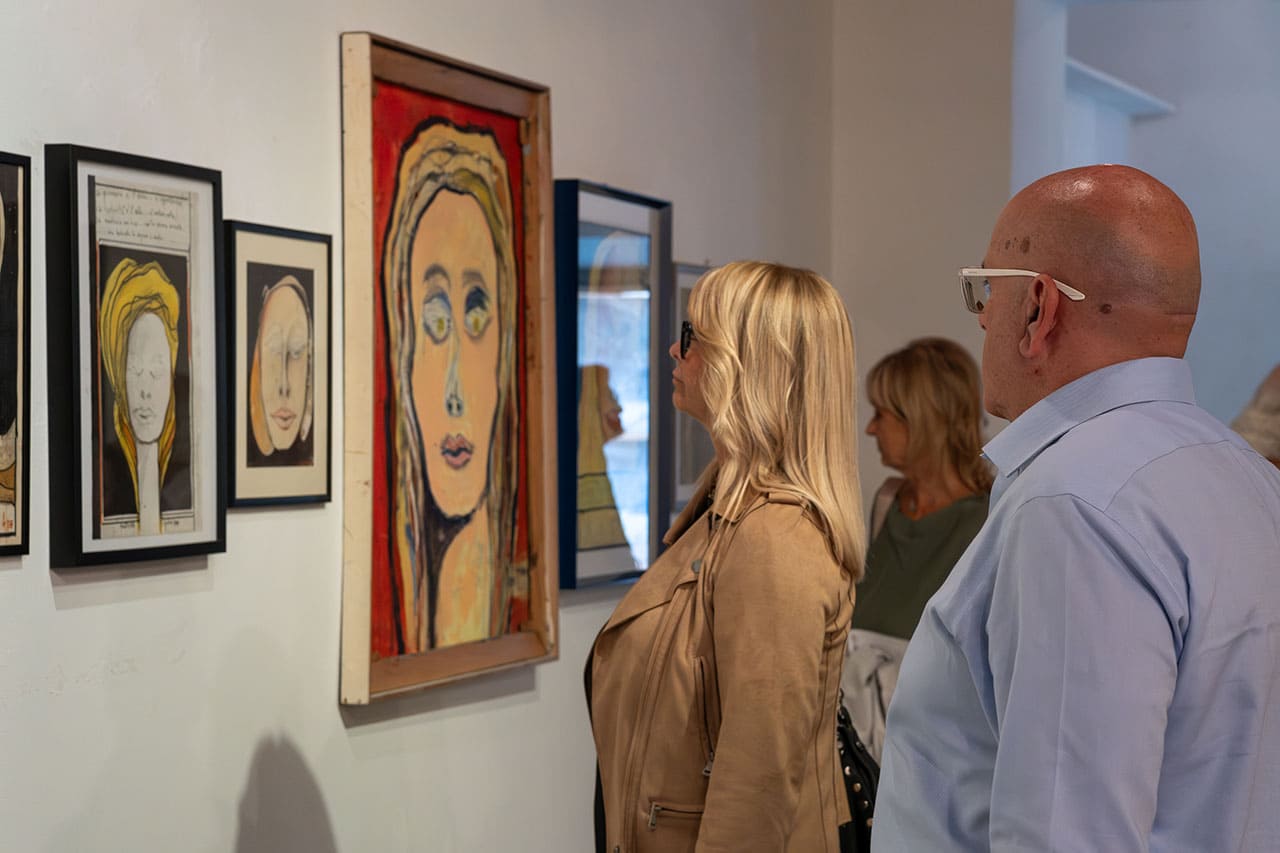
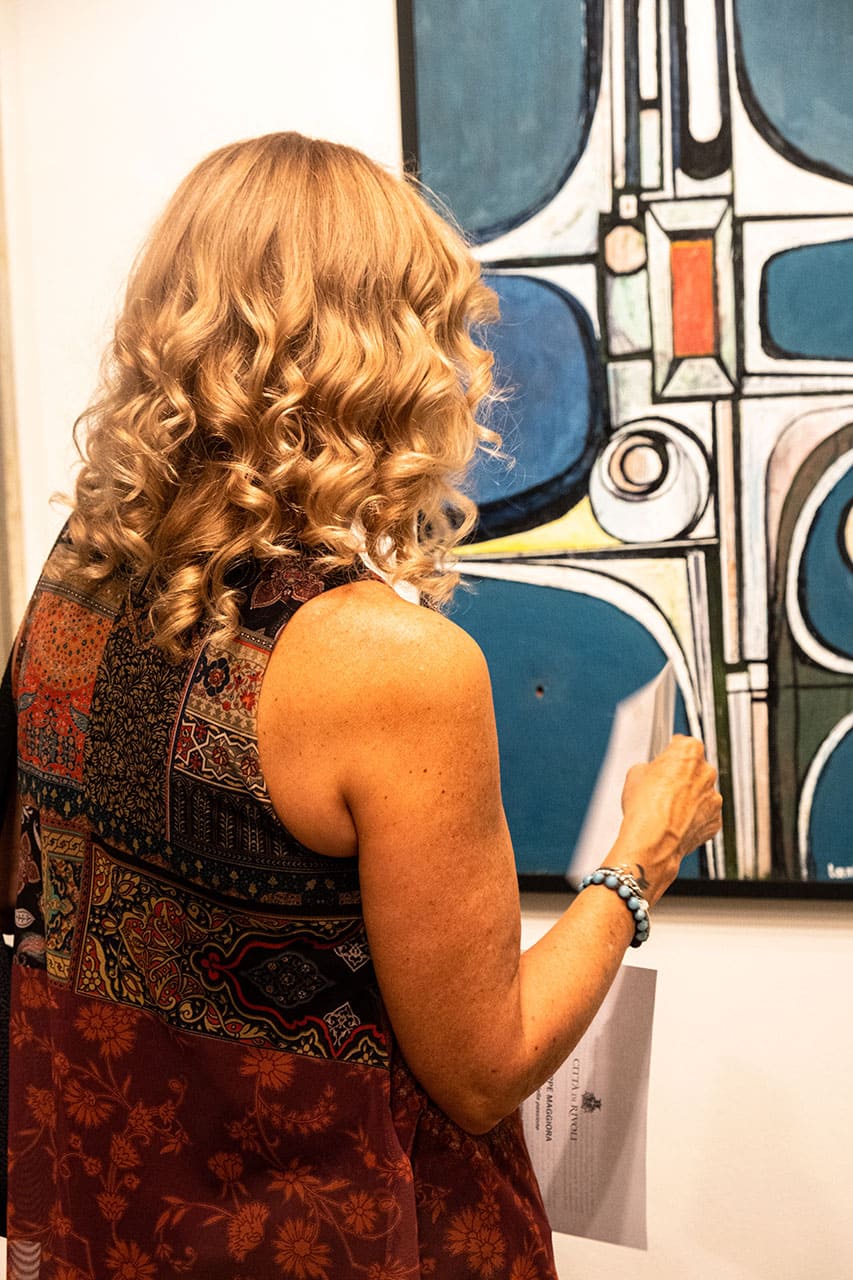
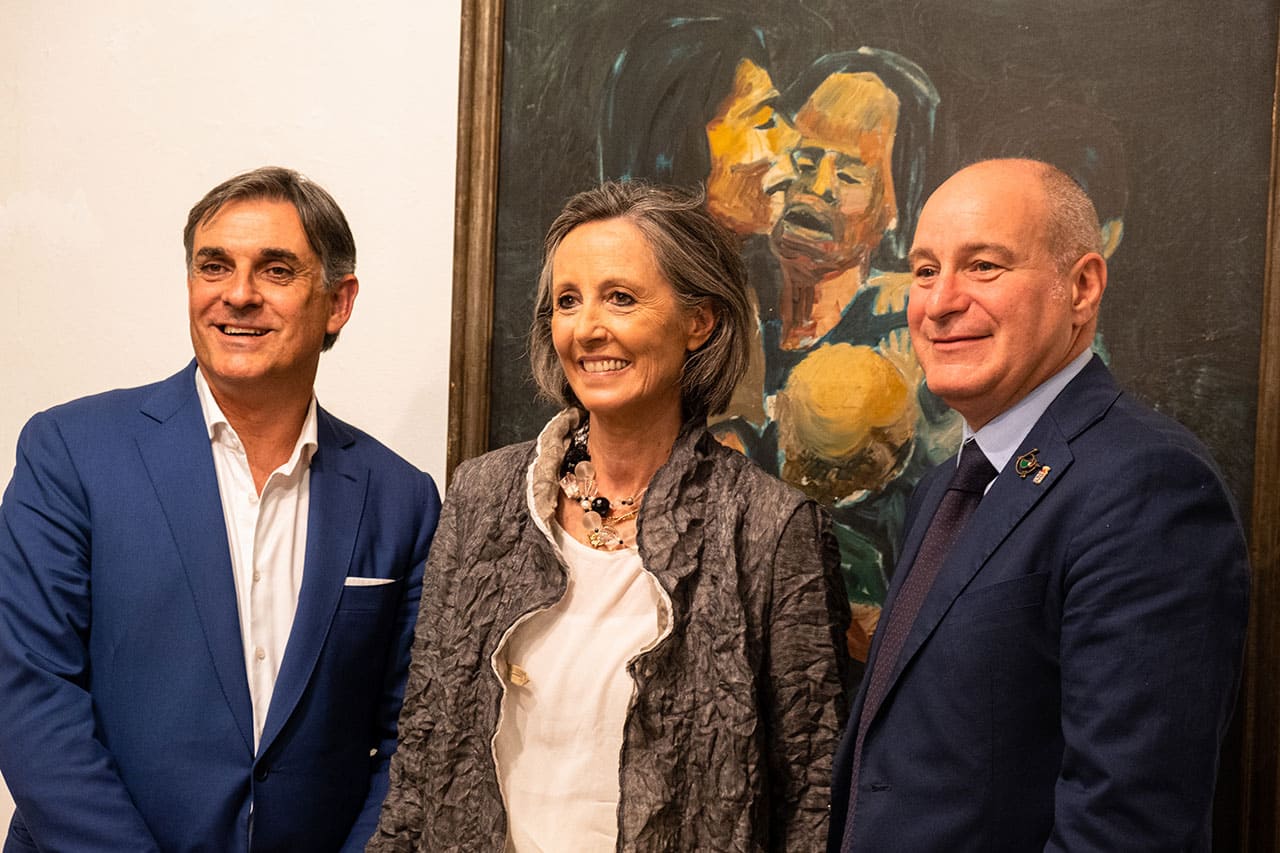
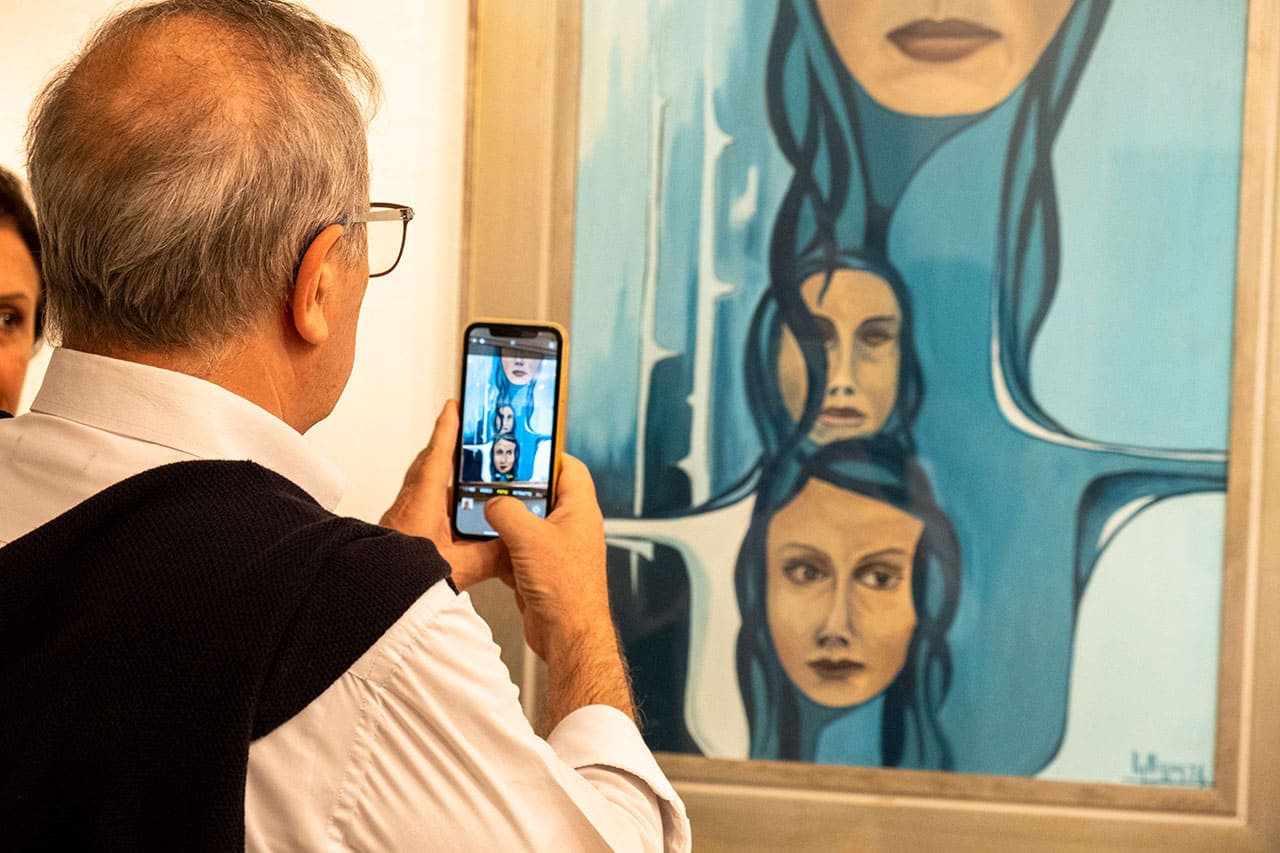
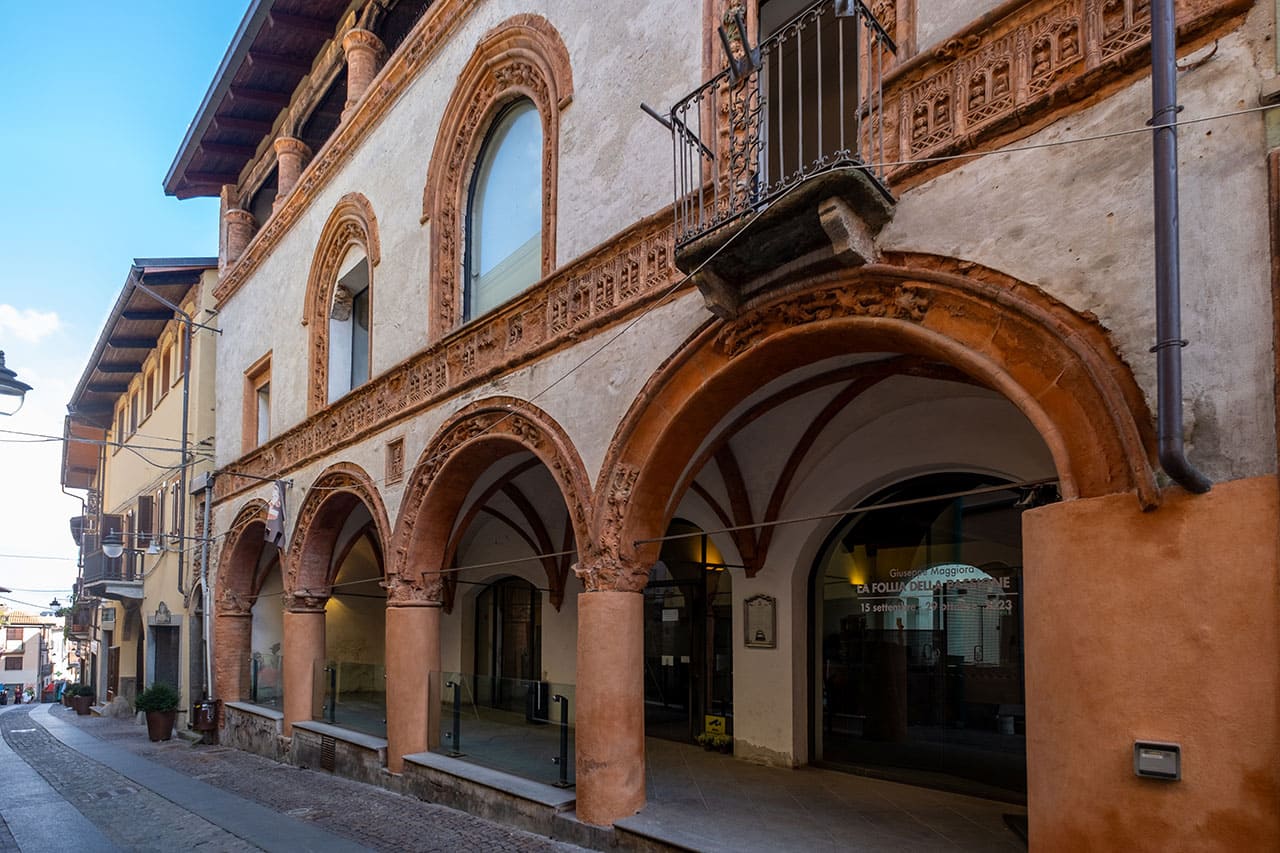
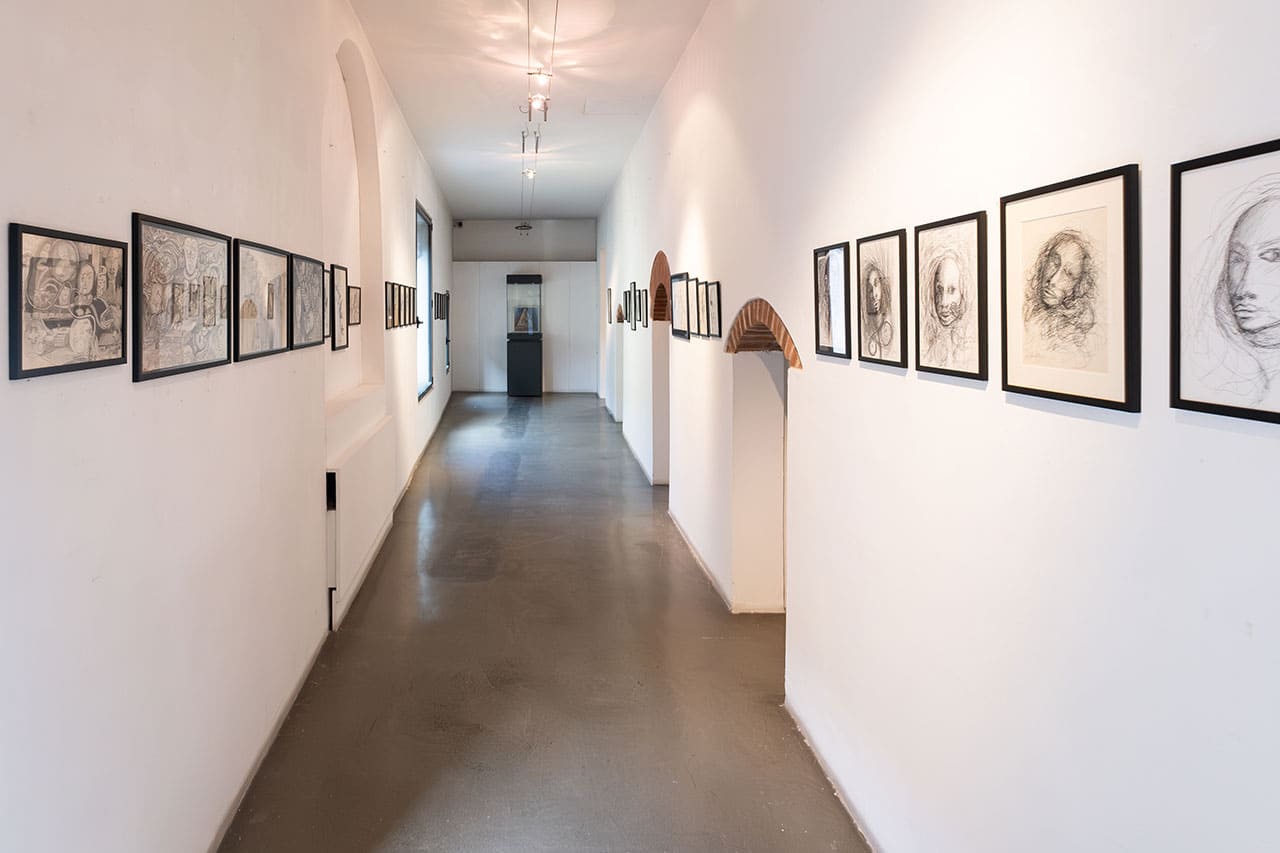
Giuseppe Maggiora, in addition to being a successful entrepreneur, is an artist with a great passion for painting. La Casa del Conte Verde has dedicated a major retrospective exhibition to him, exploring his hidden and turbulent artistic world through a selection of works carefully chosen from among the thousands left to the family.
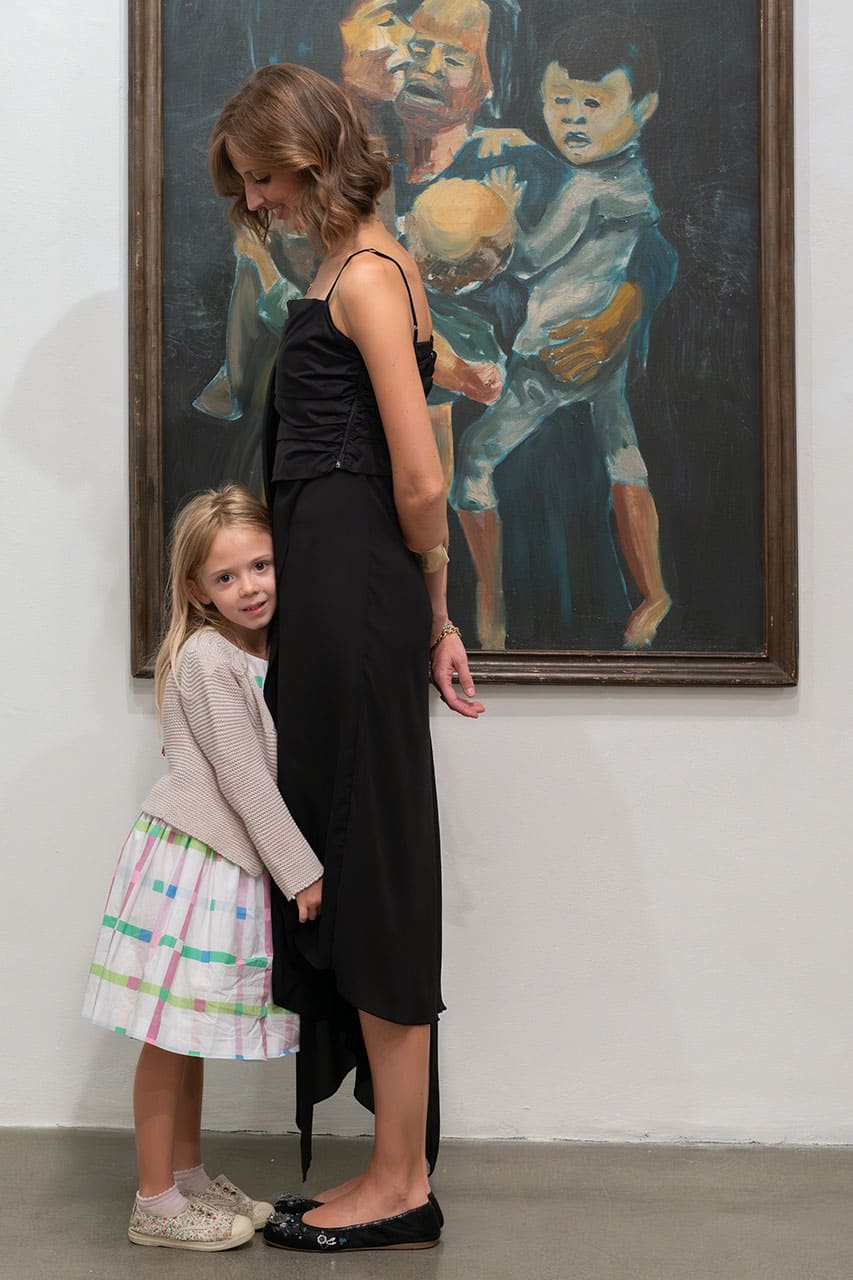
Giuseppe’s works reflect fundamental themes such as the female figure, depicted as the Great Mother, symbol of creativity and fertility, and pure eroticism. His paintings dedicated to the Vietnam War show profound pain without conventional sentimentality. Stylistically, Giuseppe develops an autonomous formal language, influenced by early 20th-century Italian figurative painting, expressionism, post-modernism and pop art.
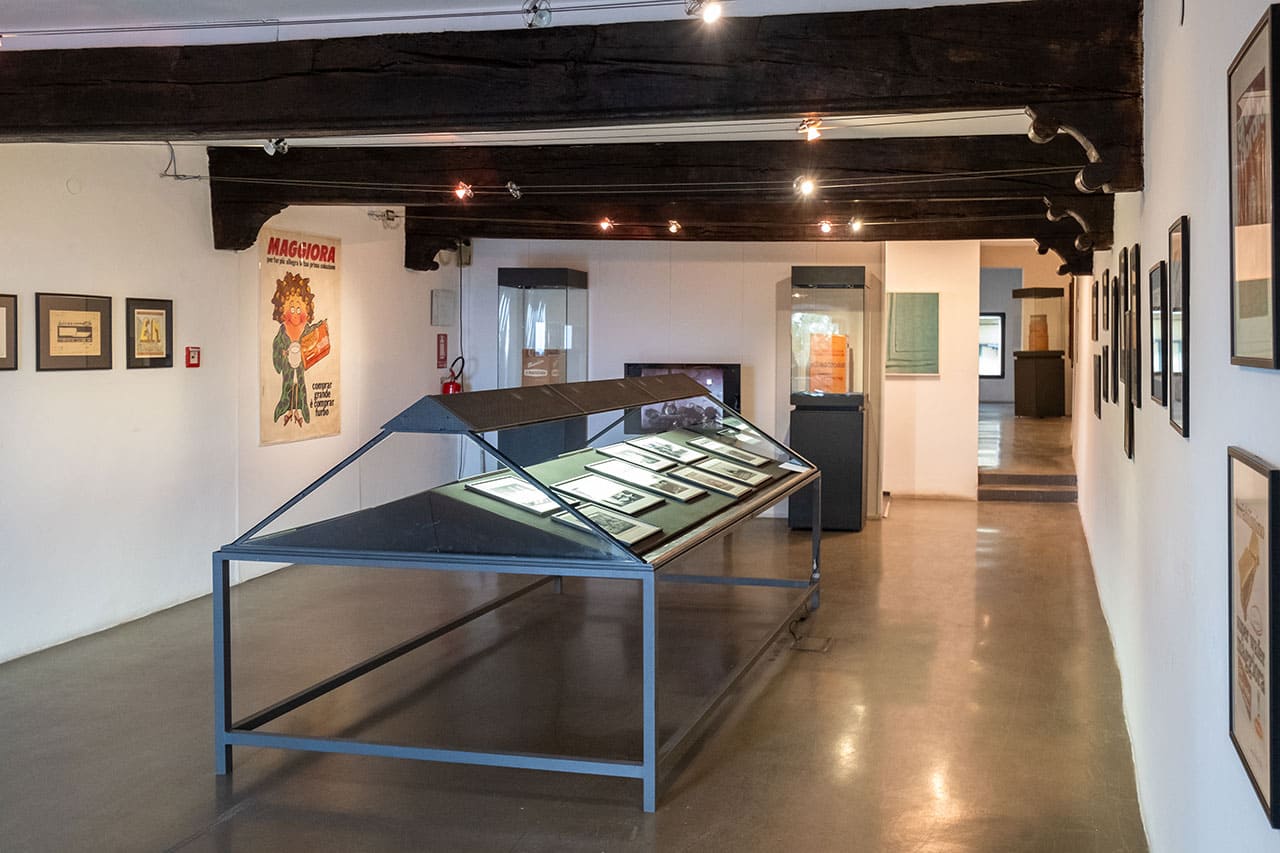
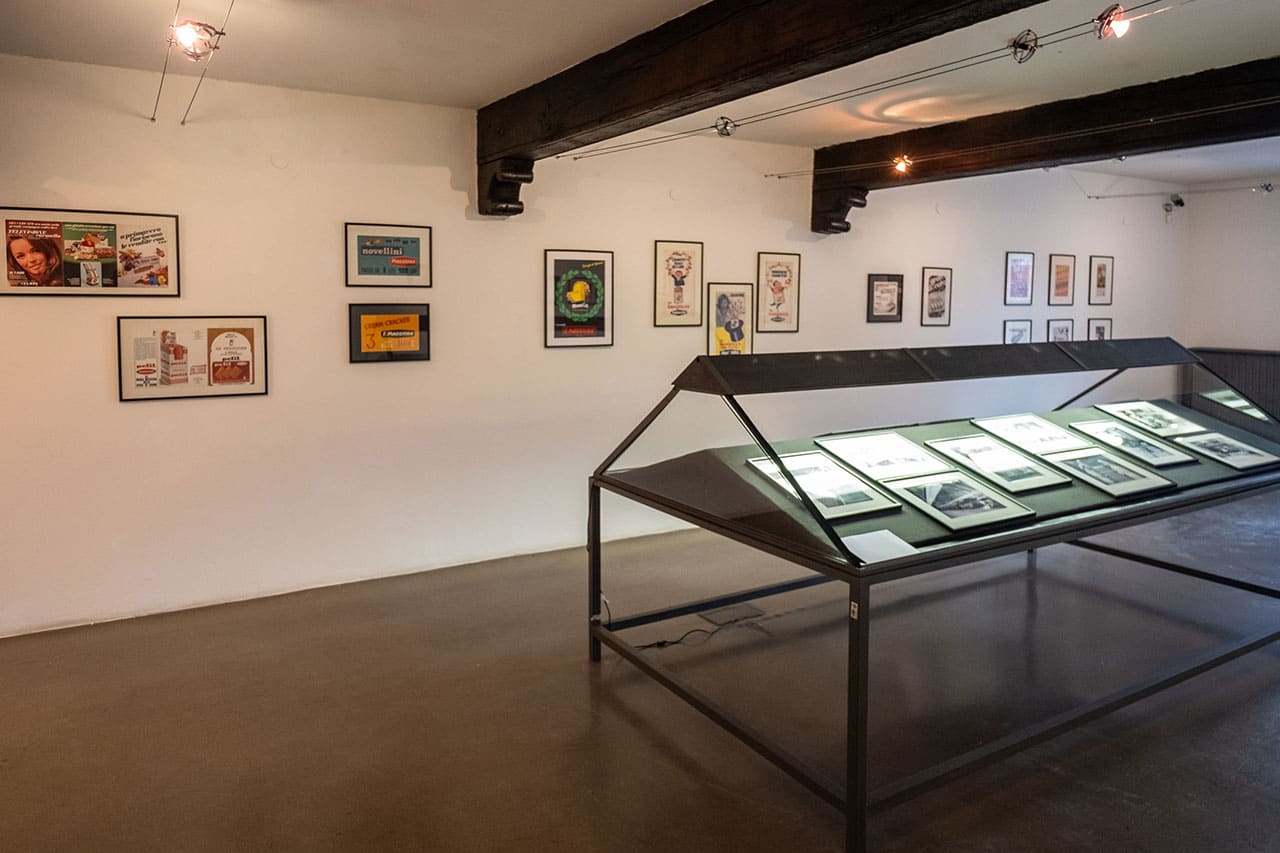
Many works are dedicated to members of his family, in particular to his wife Elena and his children. An entire room of the exhibition is dedicated to Giuseppe’s public image as a visionary entrepreneur. Posters from the period, boxes made of tin, jewellery and photographs in black and white complement the exhibition, completing the narrative of his life.
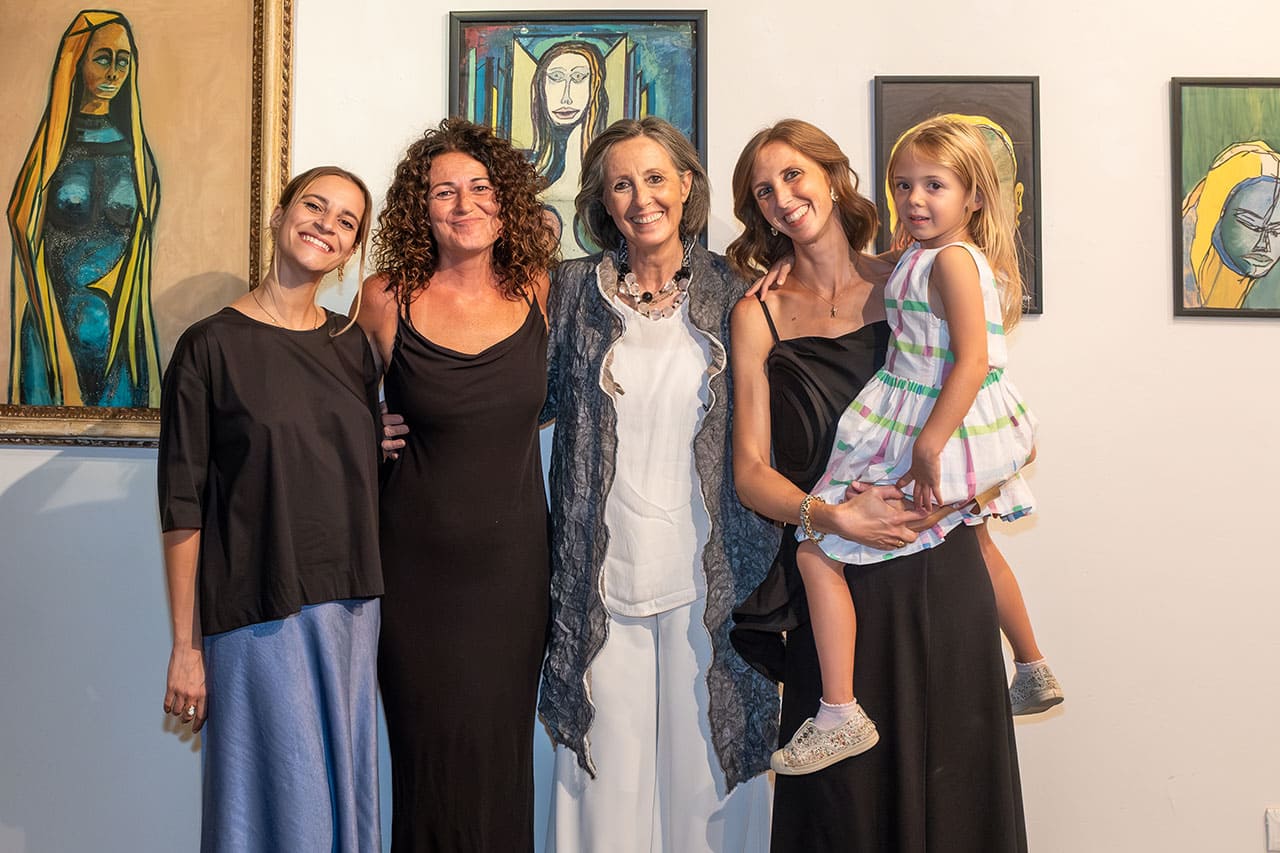
The teachings of Ermenegildo and Giuseppe, examples of entrepreneurship and vision pioneering, live on in Erica Maggiora, their granddaughter, and in her daughters Carolina and Camilla.
Villa La Maggiorana, with its School of Culinary Arts, is the place where this creative fire is preserved and passed on. Since 2016, the company’s trademarks have been registered by Erica and Camilla, and in 2021 the brand was relaunched with the production of E.Maggiora panettone.